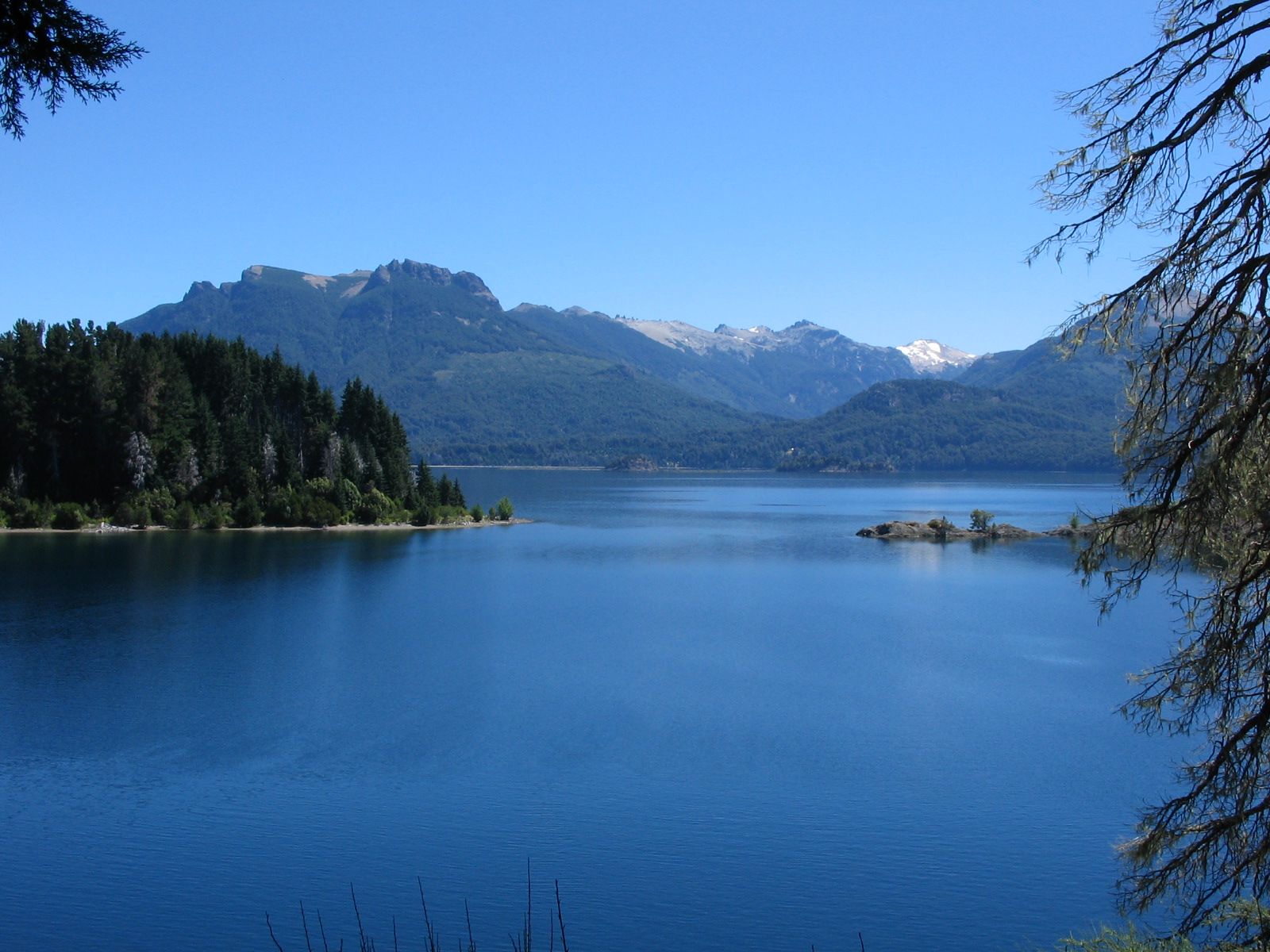


Bariloche is the epitome of Patagonian glamour and alpine romance—a breathtaking lakeside town nestled in the heart of Argentina’s Lake District, where snow-capped Andean peaks plunge dramatically into the crystal-clear waters of Nahuel Huapi Lake. Often called the “Switzerland of South America,” this destination blends Swiss-inspired stone chalets and chocolate shops with raw Patagonian wilderness, creating a sophisticated playground for nature lovers and luxury seekers alike. You can savor world-famous artisan chocolate in a cozy café one moment and cruise across turquoise glacial lakes the next, all while surrounded by dense forests and jagged mountains. It strikes a perfect balance: refined European charm wrapped in untamed natural beauty and that unmistakable Argentine warmth. If you’re looking for a destination that offers both serene lakeside elegance and thrilling mountain adventures, Bariloche is the Patagonian jewel for you. Keep reading for my top tips on experiencing its alpine magic and hidden wilderness.
Why Visit Bariloche?
Bariloche sits on the southern shores of Nahuel Huapi Lake within Nahuel Huapi National Park, offering one of the most stunning combinations of mountain, lake, and forest scenery in South America. Famous for its chocolate, outdoor adventures, and year-round natural beauty, it delivers a sophisticated yet adventurous escape that feels worlds away from Buenos Aires or Mendoza. Here’s why you need to put Bariloche on your list:
- Cerro Campanario: Take the short chairlift to the summit for what many consider the most spectacular 360° panoramic view in Patagonia—azure lakes, emerald forests, and snow-dusted Andean peaks stretch out in every direction in a jaw-dropping vista.
- Hotel Llao Llao: This iconic luxury resort, perched majestically between Moreno and Nahuel Huapi lakes, is a masterpiece of Patagonian architecture and the ultimate spot for high-end dining, golf, or simply soaking in the views.
- Nahuel Huapi Lake: Cruise or sail across these pristine glacial waters, discovering hidden bays, forested islands, and dramatic mountain reflections—boat tours offer one of the best ways to experience the lake’s serene, almost otherworldly beauty.
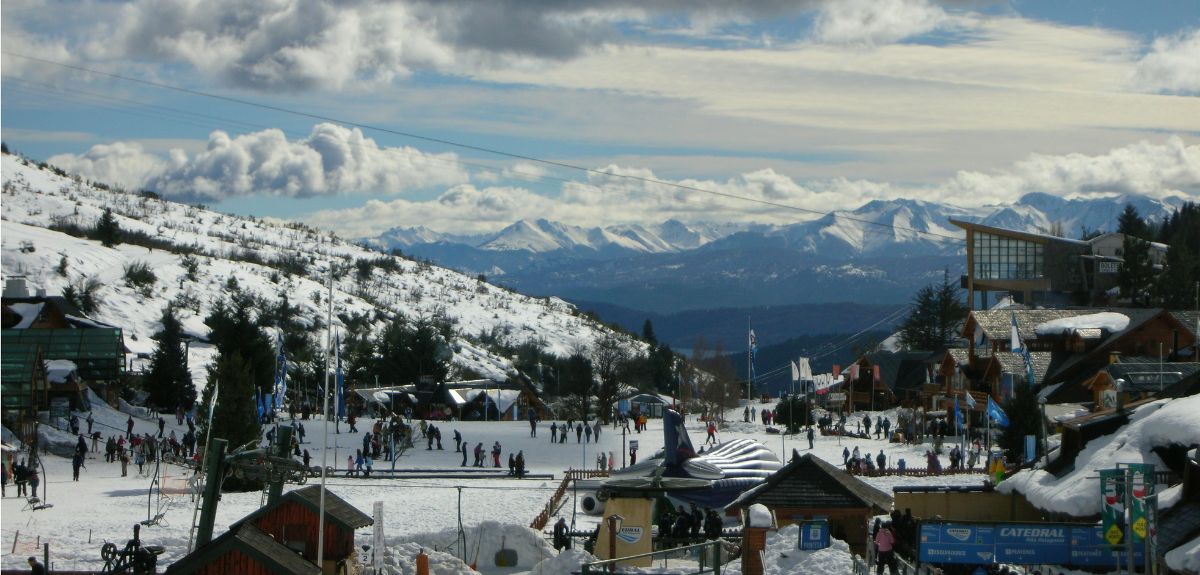
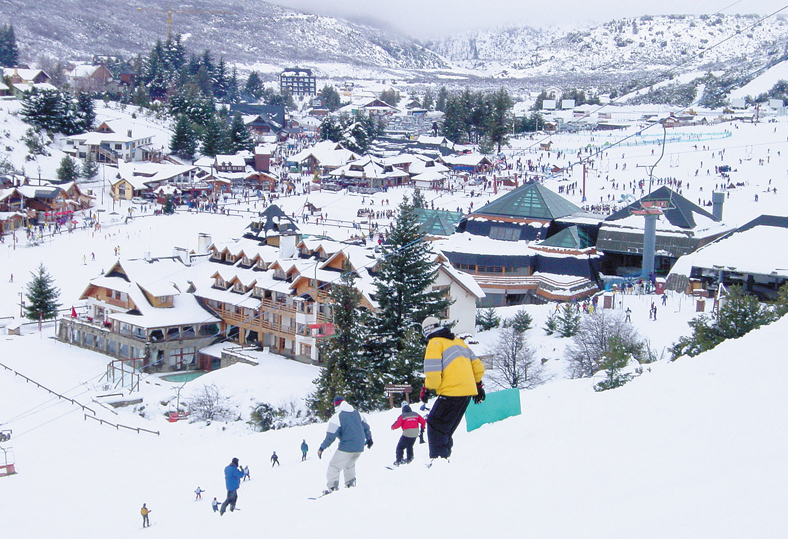
- Cerro Catedral: South America’s top ski resort in winter, with excellent slopes and modern facilities; in summer it transforms into a hiker’s paradise with sweeping alpine trails and wildflower meadows.
- Arrayanes Forest (Bosque de Arrayanes): Located on Isla Victoria, this enchanted forest features rare, cinnamon-colored arrayán trees with twisted orange trunks that create a magical, fairytale-like atmosphere—reachable by boat for a truly unique walk.
From chocolate-scented streets and lakeside sunsets to thrilling mountain adventures and the raw beauty of Patagonia’s lakes and peaks, Bariloche delivers alpine sophistication and untamed wilderness in a way that’s distinctly, unforgettably Argentine.
BARILOCHE KEY INFO
Everything you need to hit the ground running.
WHEN TO VISIT
December to March for hiking and warm lake activities; June to September for skiing and winter sports.
HOW TO GET THERE
Fly into San Carlos de Bariloche Airport (BRC). It’s a bus or taxi to the city center (~20-30 min).
HOW TO GET AROUND
Bus! It is an efficient and affordable way to reach top sights like Llao Llao and Cerro Catedral. Use a SUBE card for all fares.
IDEAL TRIP LENGTH
3-4 days for the city itself, but 5-7 days if you want to include the Seven Lakes drive or overnight mountain treks.
What is Bariloche Mainly Known For?
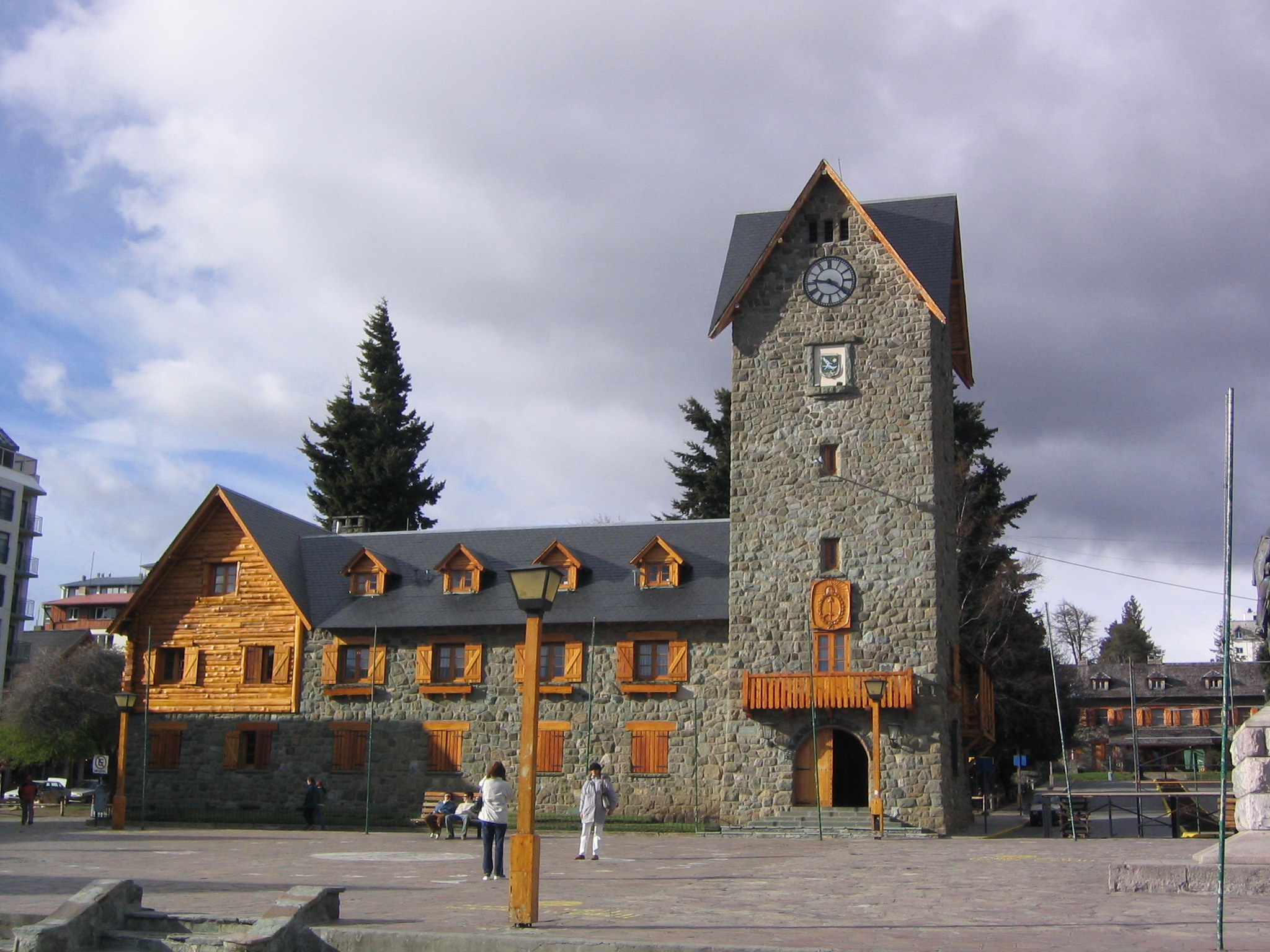
Bariloche is famous for its world-class artisan chocolate, a delicious legacy brought by Italian and Swiss immigrants. It’s also known for the Centro Civico, an iconic stone-and-wood plaza that captures its alpine charm. Beyond the sights, it’s known as the Queen of Patagonia, where a Swiss-style atmosphere meets the rugged beauty of the Argentine Lake District.
Is Bariloche a Walkable City?
Mostly, but it depends on the area. The compact city center is very walkable and filled with charming shops, allowing you to enjoy the alpine vibe without much traffic. However, reaching further attractions often requires a bus or car due to the hilly terrain.
Is it safe to walk in Bariloche at night? Yes, it’s generally very safe. I’ve always felt at ease wandering after dinner, though I still recommend using standard traveler’s common sense.
What Is the Best Neighborhood to Walk Around?
The City Centre is the winner, a compact historic hub nestled between the Andean foothills and the shores of Lake Nahuel Huapi. Its architecture features greenish volcanic stone and warm cypress wood, creating a picturesque Swiss-inspired atmosphere. For something completely different, walk over to Colonia Suiza, a bohemian enclave with a laid-back, hippie soul, rustic wooden chalets, and traditional artisan markets.
What Are the Best Things to Do in Bariloche? (For Your First Visit)
I visited Bariloche without a strict day-by-day plan. I wanted to take my time and enjoy the alpine-style charm and Patagonian wilderness and see where the streets took me. I wrote down a few highlights and hit the ground running. Here are the spots I definitely recommend checking out:
Centro Cívico
Bariloche’s stone-and-wood heart feels like a Patagonian-Swiss dream. Snap pics of the clock tower and lake views. Price: Free. Pro tip: Visit at 12 PM or 6 PM to see the revolving figures emerge from the tower. Check availability and explore popular experiences.
Cathedral of Our Lady of Nahuel Huapi
A neo-Gothic lakeside gem with a serene, spiritual vibe. Marvel at the towering spires and vibrant historical stained glass. Price: Free. Pro tip: Visit at sunset when the exterior lighting gives the stone walls a magical, moody glow. Check availability and explore popular experiences.
Cerro Campanario
Soak in Bariloche’s best 360-degree lake views. This spot is pure postcard magic. Highlights: the chairlift ride and summit cafe. Price: ~8 USD (chairlift) or Free (hike). Pro tip: Go for sunset; the golden glow is unmatched. Check availability and explore popular experiences.

Hotel Llao Llao
Patagonian luxury meets alpine chic at this iconic resort. Highlights: world-class golf, infinity pools, and high tea with lake views. Price: Rooms from ~$350. Pro tip: Non-guests can book the “Llao Llao Tea” for a taste of the glam. Check availability and explore popular experiences.

Nahuel Huapi Lake
Argentina’s glacial giant offers deep blue, crystal-clear vibes. Highlights: sailing to Isla Victoria and kayaking hidden branches. Price: Free (shores) or ~$30+ (tours). Pro tip: Brave a dip at Villa Tacul for the most serene, forest-fringed swim. Check availability and explore popular experiences.

Cerro Catedral
South America’s largest ski hub offers epic Patagonian lake views and alpine thrills. Highlights: Nubes chairlift and La Laguna off-piste. Price: ~$100 (day pass). Pro tip: Visit in August for the best snow and fewer holiday crowds. Check availability and explore popular experiences.
Isla Victoria
Explore this Patagonian gem for a total fairytale escape. Highlights: unique sequoia forests, hidden cave art, and volcanic sand beaches. Price: ~$60 (boat tour). Pro tip: Visit Playa del Toro for a serene, off-the-beaten-path swim in crystal-clear waters. Check availability and explore popular experiences.
Arrayanes Forest
Step into a cinnamon-hued fairytale that inspired Bambi. Highlights: Twisted orange trees and the cozy forest tea house. Price: ~$20 entry fee. Pro tip: Feel the bark—it is famously cold to the touch even in summer. Check availability and explore popular experiences.

Cerro Otto
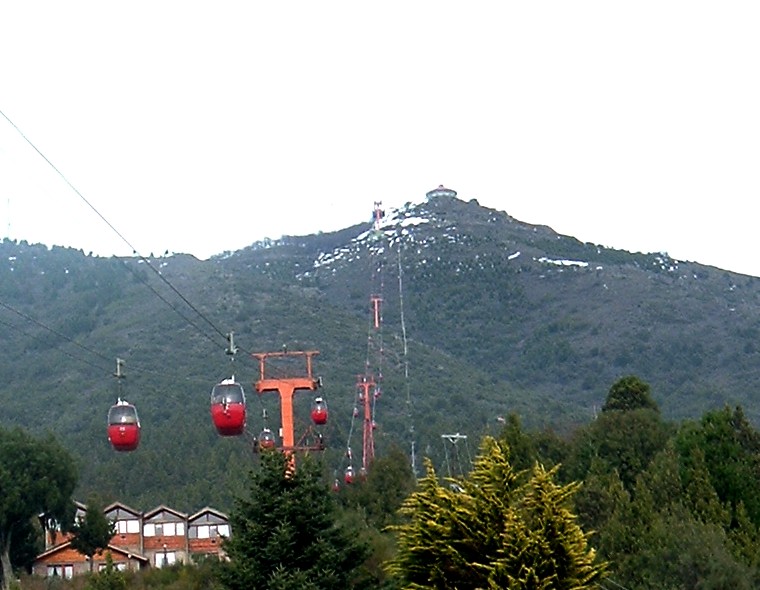
Elevate your Bariloche trip with a scenic cable car ride. Highlights: the unique revolving cafe and Michelangelo replicas. Price: ~$30. Pro tip: Arrive before opening to beat the long queues for the best 360-degree views. Check availability and explore popular experiences.

Credit: Wikimedia Commons
Colonia Suiza
Step back in time at this alpine-style village with a laid-back, hippie soul. Highlights: artisan markets and traditional underground curanto. Price: Free entry. Pro tip: Visit on Sunday to witness the ceremonial unearthing of the feast. Check availability and explore popular experiences.

Must-Do Activities in Bariloche
To really get the most out of your trip, I recommend checking out these experiences:
What Part of Bariloche is Best for Tourists?
Stay in the City Centre. Everything will be within a 15-minute walk. If you want something a bit more local but still close, the Melipal neighborhood is lovely—it offers a quieter, residential hillside atmosphere with incredible lake views and a more authentic local vibe.
What to Know Before Going to Bariloche
- The Tap Water is Gold: Drink safely from the tap; it is high-quality mountain water sourced from surrounding glacial lakes and rivers.
- English is Common: English is widely spoken in the tourism and hospitality sectors, though basic Spanish is helpful elsewhere.
- The Bariloche Pass: This pass offers bundled excursions and transfers at a discount, making it worth it for active sightseers.
- Limited Sunday Hours: Most shops close Sunday mornings, reopening in the evening; major malls typically remain open all day.
- Tipping Etiquette: It is customary to leave a 10% cash tip in restaurants; rounding up is appreciated for taxis.
How Many Days Do I Need in Bariloche?
3 days is ideal for first-time visitors to experience the perfect blend of alpine architecture, chocolate culture, and breathtaking Patagonian lake views.
- Day 1: Centro Cívico, Cathedral of Our Lady of Nahuel Huapi, Nahuel Huapi Lake, Cerro Otto, and Mitre Street.
- Day 2: Cerro Campanario, Llao Llao Peninsula, Arrayanes Forest, Victoria Island, and Colonia Suiza.
- Day 3: Take a scenic full-day road trip along the Road of the Seven Lakes to San Martín de los Andes.
Suggested daily budget – 85-135 EUR / 90-145 USD (Note: This covers mid-range hotels or apartments, dining at sit-down restaurants for most meals, and local bus fares or a shared car rental. You can go cheaper if you buy groceries to cook at your accommodation or stick to free hiking trails).
MONEY SAVING TIPS
- Master the Half-Portion: At popular spots like El Boliche de Alberto, portions are massive, so order a “media porción” (half portion) of steak or share a full plate to save significantly on your bill.
- Tip-Based Trekking: Join a Free Walking Tour meeting daily at the Tourist Information Office in the Centro Cívico to learn about German heritage and local myths for just a voluntary contribution.
- One Card for All: Grab a SUBE card for around 1,534 to 4,568 pesos per ride depending on the zone; it is the only way to pay for public buses to Cerro Catedral or Llao Llao and can be recharged at kiosks citywide.
- Sunset at the Shore: Skip the pricey lakeside bars and grab a local craft beer from a supermarket to enjoy at the stone beaches of Playa del Centro or the parks near the Cathedral for a perfect, low-cost sunset view.
What’s the Best Month to Visit Bariloche?
September and October are the sweet spots for visiting Bariloche. During these months, you will enjoy mild spring weather and blooming landscapes while avoiding the heavy winter ski crowds. However, August is a magical alternative, as the region transforms into a premier snowy paradise perfect for world-class skiing and cozy alpine vibes.
How to Get to Bariloche
Most international travelers fly into San Carlos de Bariloche Airport (BRC). Major connection hubs include Buenos Aires, Santiago de Chile, and São Paulo, which link to the US and Europe.
- From the airport: The city center is a 20-25 minute drive. Taxis and private transfers cost approximately 15-25 USD, while public buses offer a budget-friendly alternative.
- By Train: The Tren Patagónico connects Bariloche to Viedma on the Atlantic coast, offering a scenic 18-hour journey through the Patagonian steppe.
How to Get Around Bariloche
Rent a car—it is the best way to explore the vast Lake District at your own pace.
- Car Rental: Highly recommended for reaching trailheads and hidden beaches; use DiscoverCars to compare rates.
- Walking: Great for the compact city center and Civic Center, but impractical for regional attractions.
- Uber/Bolt: Uber and Cabify are available and reliable, though wait times can increase outside the center.
- Tours: A solid alternative for non-drivers to visit spots like Circuito Chico or Isla Victoria hassle-free.
Tips for first-timers: Avoid relying solely on credit cards—Many local shops and smaller restaurants in Bariloche offer significant discounts for cash payments (efectivo). Carry Argentine pesos to save money and avoid processing hassles!
Bariloche is the kind of place that steals your heart. It is a breathtaking fusion of jagged Andean peaks and the crystalline depths of glacial lakes. Defined by its charming alpine soul and the untamed beauty of its ancient forests, the city radiates a majestic, wild energy. This Patagonian gem leaves you with a renewed sense of wonder.
Note: This article contains affiliate links. If you purchase something I’ve recommended, I’ll earn a small commission at no extra cost to you. I really appreciate your support and I hope this guide helps you ♡