

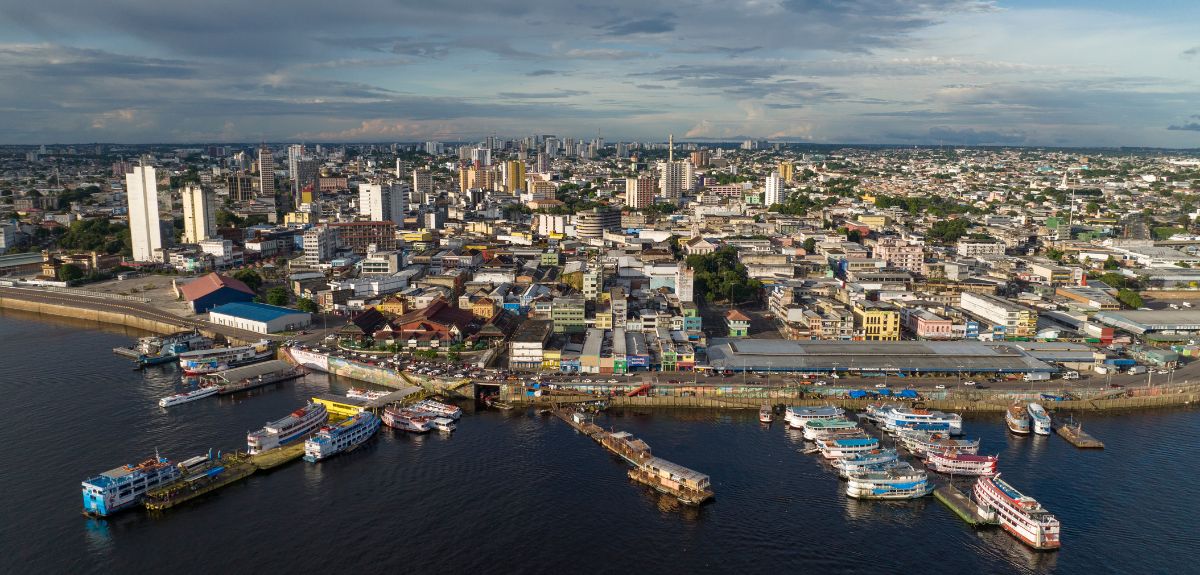
Manaus is the epitome of Amazonian mystery and opulent contrast—a vibrant gateway city deep in the heart of the Brazilian rainforest, where the mighty Amazon River pulses with life and an extravagant 19th-century opera house rises like a mirage amid the jungle. Built on the wealth of the rubber boom, this is where European grandeur meets untamed wilderness: you can attend a classical performance in a gilded theater one evening and glide past pink river dolphins at the surreal Meeting of the Waters the next. The air hums with tropical humidity, the scent of fresh river fish, and the distant call of the jungle. It strikes a perfect balance: sophisticated cultural surprises wrapped in raw natural adventure and that unmistakable Amazonian energy. If you’re looking for a destination that blends historic elegance, world-class wildlife encounters, and the thrill of the world’s largest rainforest, Manaus is the Brazilian Amazon icon for you. Keep reading for my top tips on exploring its river wonders and hidden urban gems.
Why Visit Manaus?
Manaus, the capital of Amazonas state, serves as the primary gateway to the Brazilian Amazon. Surrounded by dense rainforest yet boasting impressive architecture and a lively river port, it offers easy access to extraordinary natural experiences while delivering cultural highlights right in the city. Here’s why you need to put Manaus on your list:
- Teatro Amazonas: The crown jewel of the rubber boom era, this stunning pink opera house features a breathtaking dome, chandeliers, and perfect acoustics—take a guided tour or catch a performance in this unlikely jungle masterpiece.
- Meeting of the Waters (Encontro das Águas): One of the Amazon’s most mesmerizing sights, where the dark Rio Negro and the lighter Solimões River flow side by side for miles without immediately mixing—best experienced on a boat tour with views of pink dolphins.
- Adolpho Lisboa Municipal Market: A bustling historic market housed in a beautiful iron structure inspired by Parisian halls—sample fresh Amazonian fish, exotic fruits, regional spices, and local crafts in a vibrant atmosphere.
- Ponta Negra Beach: Manaus’ urban beach on the Rio Negro, offering golden sands, calm waters for swimming (in season), waterfront restaurants, and beautiful sunset views over the river.
- MUSA (Museu da Amazônia) & Botanical Gardens: Explore this living museum and botanical garden with canopy walkways, immersive exhibits on Amazon biodiversity, and peaceful trails that bring you close to the rainforest without leaving the city.
From the grandeur of its historic theater to the wild confluence of rivers and the endless green horizon of the Amazon, Manaus delivers a unique blend of cultural sophistication and raw jungle adventure in a way that’s distinctly, unforgettably Brazilian.
MANAUS KEY INFO
Everything you need to hit the ground running.
WHEN TO VISIT
June to September for dry weather and hiking; December to May for flooded forest canoe tours.
HOW TO GET THERE
Fly into Eduardo Gomes International Airport (MAO). It’s a taxi or private transfer to the city center (~20 min).
HOW TO GET AROUND
Uber! It is the safest and most convenient way to navigate the city’s heat and traffic. Use the Uber app for affordable rides to distant spots like Ponta Negra.
IDEAL TRIP LENGTH
2-3 days for the city itself, but 4-7 days if you want to include jungle lodges or day trips to Presidente Figueiredo’s waterfalls.
What is Manaus Mainly Known For?
Manaus is primarily known as the “Gateway to the Amazon,” serving as the most significant urban hub within the world’s largest rainforest. It rose to global prominence during the late 19th-century rubber boom, a period of immense wealth that transformed it into the “Paris of the Tropics” and left behind a legacy of opulent European-style architecture.
Is Manaus a Walkable City?
Mostly, but it depends on the area. The historic center is very walkable, allowing you to enjoy the rubber-boom architecture and vibrant markets without too much traffic noise. However, distances between other districts are vast.
Is it safe to walk in Manaus at night? Generally, yes in well-lit, busy tourist areas like Ponta Negra. I felt at ease there, but always use standard common sense.
What Is the Best Neighborhood to Walk Around?
For the best walking experience in Manaus, the Historic Center (Centro) is the clear winner for culture and architecture, while Ponta Negra offers the most scenic and modern pedestrian experience.
The Historic Center is the heart of “Old Manaus,” where you can walk between grand monuments from the rubber boom era. It is best explored during the day to appreciate the neoclassical facades and bustling markets. If you prefer a modern, safe, and leisure-focused walk, Ponta Negra Beach is the most popular upscale neighborhood for a stroll, especially in the late afternoon.
What Are the Best Things to Do in Manaus? (For Your First Visit)
I visited Manaus without a strict day-by-day plan. I wanted to take my time, enjoy the city’s unique blend of Belle Époque elegance and wild Amazonian spirit, and see where the streets took me. I wrote down a few highlights and hit the ground running. Here are the spots I definitely recommend checking out:
Teatro Amazonas
Step into the rubber-boom’s gilded heart. This neo-Renaissance icon features a stunning tiled dome and opulent ballroom. Entry is ~R$20. Pro tip: Visit in April or May to catch the world-class Amazon Opera Festival. Check availability and explore popular experiences.

Meeting of Waters
The Meeting of Waters is a natural phenomenon where the dark Rio Negro and the sandy-colored Amazon River (Solimões) flow side-by-side for miles without mixing. It is a must-visit for its stunning visual contrast and the unique sensory experience of feeling the different water temperatures and speeds. Check availability and explore popular experiences.

Mercado Municipal Adolpho Lisboa
Amazonian soul meets Parisian flair in this 1883 ironwork masterpiece. Browse exotic fruits, medicinal herbs, and fresh river fish. Price: Free. Pro tip: Arrive before 4 PM to catch the vendors before they close for the day. Check availability and explore popular experiences.
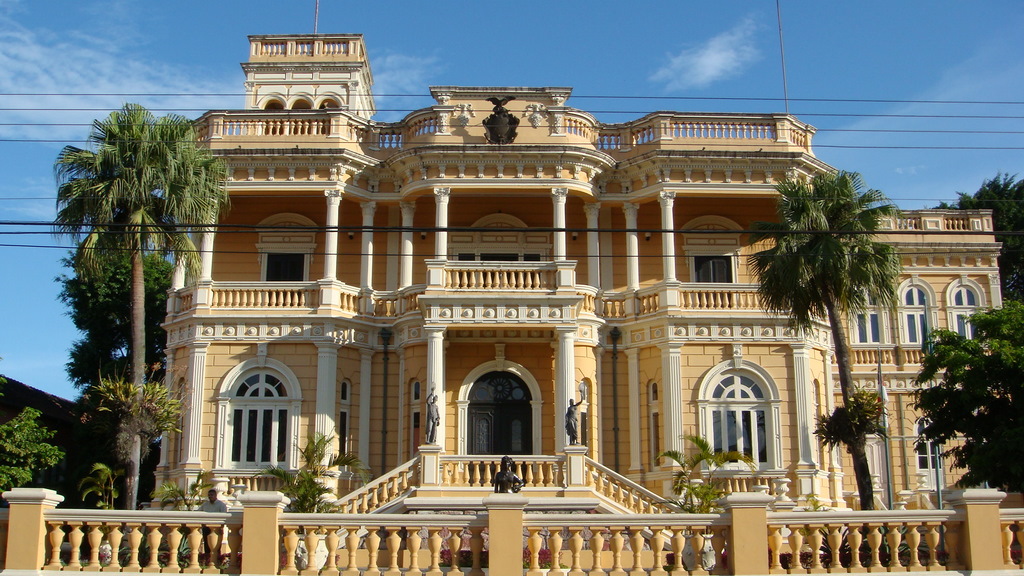
Palácio Rio Negro
The Palácio Rio Negro (Rio Negro Palace) is a prominent historical landmark and cultural center in Manaus, Brazil, that serves as a testament to the opulence of the region’s rubber boom era. Check availability and explore popular experiences.
Museu do Seringal Vila Paraíso
Step into a 19th-century rubber plantation at this atmospheric film-set-turned-museum. Explore the Baron’s mansion and humble workers’ huts. Entry: ~R$20. Pro tip: Take the 30-minute boat from Marina do Davi for incredible river views. Check availability and explore popular experiences.

Mindu Municipal Park
Escape the city heat in this lush Amazonian oasis. Trek shaded trails and spot rare sauim-de-coleira monkeys from suspended bridges. Price: Free. Pro tip: Arrive at 8 AM for the best wildlife sightings and a cooler breeze. Check availability and explore popular experiences.

Ponta Negra Beach
Ponta Negra Beach (Praia da Ponta Negra) is a famous river beach and upscale neighborhood located on the banks of the Rio Negro in Manaus, Brazil. Unlike traditional ocean beaches, it is a freshwater destination known for its wide sandy shores, tea-colored water, and vibrant urban atmosphere. Check availability and explore popular experiences.

Credit: Wikimedia Commons
Amazonian Museum of Natural Science
A hidden gem blending Japanese heritage with Amazonian wonders. Explore 120+ stuffed fish, rare butterflies, and massive pirarucu in the aquarium. Price: Check locally for fees. Pro tip: Visit the adjacent forest trails for a quick jungle escape. Check availability and explore popular experiences.

Bosque da Ciência
A “living museum” in the jungle heart. Spot manatees, giant otters, and 600-year-old trees on lush trails. Price: Free (booking required). Pro tip: Visit the “Island of Tanimbuca” to see the ancient trees up close. Check availability and explore popular experiences.
CIGS Zoo.
Military-run jungle sanctuary featuring 200+ rescued species. Highlights: jaguars, black panthers, and the monkey nursery. Price: ~R$20. Pro tip: Arrive early to beat the heat and see the big cats at their most active. Check availability and explore popular experiences.

Must-Do Activities in Manaus
To really get the most out of your trip, I recommend checking out these experiences:
What Part of Manaus is Best for Tourists?
Stay in the Historic Center. Everything will be within a 15-minute walk. If you want something a bit more local but still close, the Vieiralves neighborhood is lovely—it offers a trendy vibe with the city’s best range of bars and restaurants.
What to Know Before Going to Manaus
- Stick to Bottled: Tap water is inconsistent and often contaminated; always drink bottled, filtered, or boiled water.
- Portuguese is Primary: English is not widely spoken outside of major hotels and professional tour guide services.
- No Official City Card: Manaus lacks a unified tourist pass; book individual tours or use GetYourGuide for convenience.
- Limited Sunday Hours: Most shops and markets close early on Sundays, typically by noon or 2 PM.
- Check the Bill: A 10% service charge is usually included; additional tipping is not expected but appreciated.
How Many Days Do I Need in Manaus?
3 days is the ideal duration for first-time visitors to experience the opulent history of the rubber boom and the breathtaking biodiversity of the world’s largest rainforest.
- Day 1: History and Culture in the City Center – Start your journey in the heart of Manaus to witness the architectural grandeur and vibrant local life that earned it the nickname “Paris of the Tropics.”
- Day 2: River Wonders and Wildlife – Head to the water to experience the natural phenomena and lush ecosystems that define the Amazonian landscape.
- Day 3: Wilderness Adventures – Ventures further into the wild to discover the “Land of Waterfalls” or immerse yourself in the deep jungle.
Suggested daily budget – 70-105 EUR / 75-115 USD (Note: This covers mid-range 3 or 4-star hotels, dining at local restaurants, and using ride-sharing apps like Uber. You can go cheaper if you stay in hostels, eat at municipal markets, and use public buses).
MONEY SAVING TIPS
- Fuel Up with Regional Flavors: Eat like a local at the “Bancadas de Café Regional” or the stalls at Mercado Municipal Adolpho Lisboa, where you can grab a filling “X-Caboquinho” sandwich (tucumã fruit and cheese) and fresh juice for a fraction of the cost of a hotel breakfast.
- Group Up for River Tours: Skip the private boat charters at the Port of Manaus and join a shared excursion to the Meeting of Waters splitting the cost with other travelers or using the public ferry to Careiro da Várzea offers the same views for a much lower price.
- Ride the Manaus Bus System: Use the local bus network or ride-sharing apps like Uber and 99 instead of “tourist taxis” to get to outskirts attractions like MUSA or Ponta Negra Beach, saving you significant reais on long-distance fares.
- Free Cultural Gems: Plan your visits to the Amazonas Theater and Palácio Rio Negro around their schedule of free orchestral concerts or exhibitions, and enjoy the sunset at Largo de São Sebastião, where the street atmosphere and live music are completely free.
What’s the Best Month to Visit Manaus?
June and July are the sweet spots for visiting Manaus. During these months, the rivers are high for boat tours and the heavy rains have subsided, offering a perfect balance for jungle exploration. However, May is a magical alternative, as the city hosts the prestigious Amazonas Opera Festival within the historic Teatro Amazonas.
How to Get to Manaus
Most international travelers fly into Eduardo Gomes International Airport (MAO). Key direct connections include Miami, Panama City, Bogotá, and major Brazilian hubs like São Paulo and Brasília.
- From the airport: The city center is a 20-minute taxi ride costing approximately $15–$20. Public bus number 306 takes about 40 minutes and costs roughly $1.
- Inter-island/Regional: Manaus is a major Amazonian port reachable via multi-day ferries from Belém (5 days) or Santarém (36 hours). Regional flights also connect to remote jungle towns.
How to Get Around Manaus
Use ride-sharing and boats—it is the most efficient way to navigate this sprawling river city.
- Car Rental: Not recommended due to traffic and the reliance on waterways; use DiscoverCars only if planning rare overland trips.
- Walking: Good for the 20-block historic center and port area, but impossible for the city’s vast 400 km² urban spread.
- Uber/Bolt: Both are widely available, reliable, and more comfortable than local buses.
- Tours: Essential for reaching jungle lodges, the Meeting of Waters, and remote river beaches.
Tips for first-timers: Avoid exploring the city center on foot after dark—Isolated streets can become safety risks for tourists once shops close. Stick to well-lit areas or use ride-sharing apps like Uber for a secure and easy transit experience!
Manaus is the kind of place that steals your heart. It is a vibrant gateway where the untamed spirit of the Amazon meets a rich, rubber-boom legacy, defined by its opulent opera house and the mystical meeting of rivers. As you leave its lush canopies and storied streets, it leaves you with a renewed sense of wonder.
Note: This article contains affiliate links. If you purchase something I’ve recommended, I’ll earn a small commission at no extra cost to you. I really appreciate your support and I hope this guide helps you ♡