

Tokyo is a shimmering dreamscape where tomorrow’s technology dances gracefully with the whispers of ancient history. From the blinding neon glow of futuristic skyscrapers to the quiet serenity of hidden shrines, this captivating metropolis invites you into a world of endless discovery, luxury, and unmatched energy.
Why Visit Tokyo?
Whether you are seeking the thrill of high-octane city life or the absolute tranquility of traditional gardens, Tokyo offers an unforgettable sensory journey that seamlessly blends two worlds:
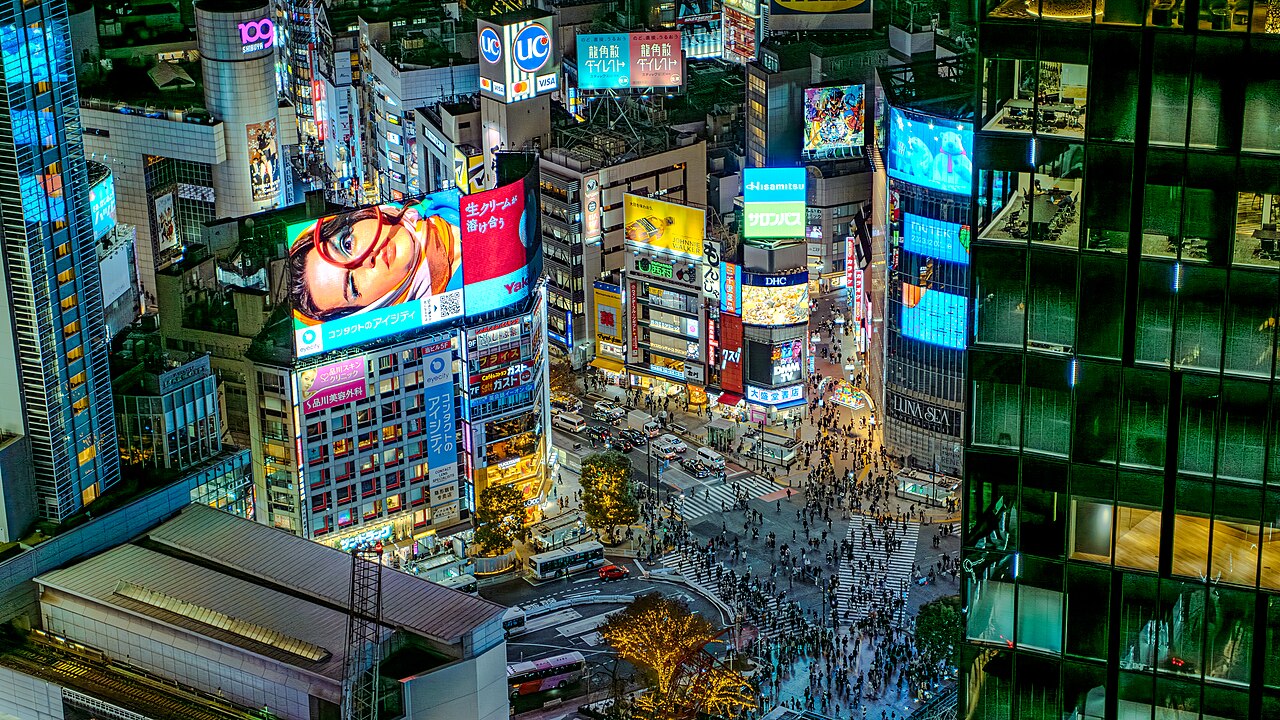
- Shibuya Crossing: Dive into the electric heartbeat of the city at the world’s busiest pedestrian intersection, a mesmerizing dance of humanity beneath towering video screens.
- Senso-ji Temple: Step through the iconic thunder gate into Tokyo’s oldest and most sacred Buddhist temple, where the scent of burning incense fills the historic air.
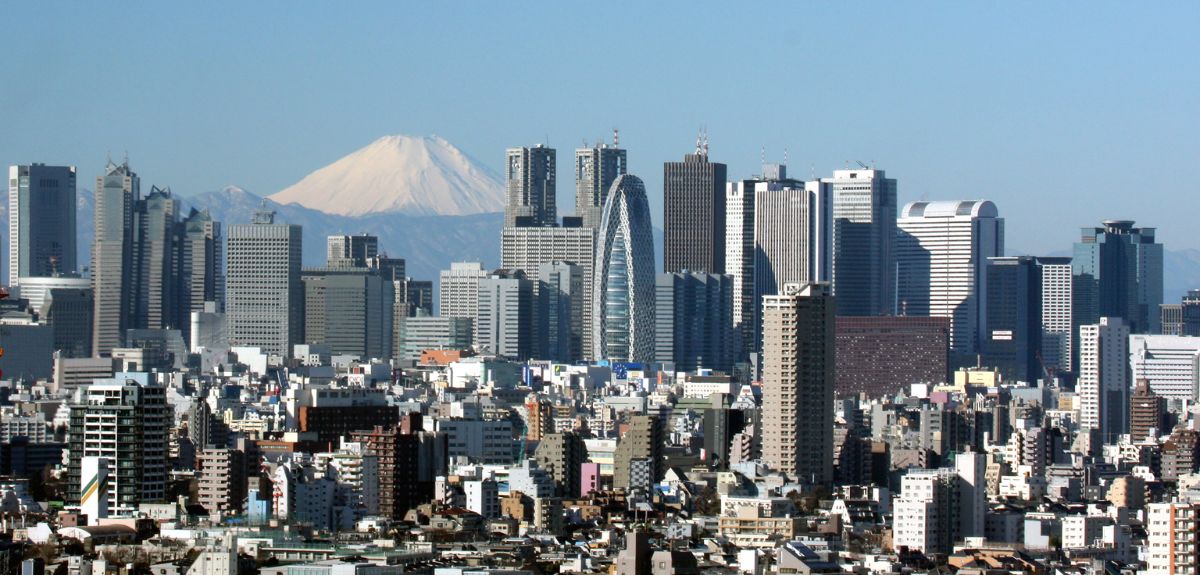
- Tokyo Skytree: Ascend into the clouds at this architectural marvel, offering sweeping, panoramic views of a sprawling urban landscape that stretches all the way to Mount Fuji.
- Meiji Shrine: Escape the chaotic rhythm of the city within a lush, forested sanctuary dedicated to imperial spirits, offering a profound sense of peace.
- Akihabara: Immerse yourself in the ultimate capital of anime, gaming, and cutting-edge electronics, where modern subculture comes alive in brilliant color.
Tokyo is more than just a destination; it is an intoxicating experience that challeges your senses, expands your horizon, and leaves an indelible mark on your soul long after the neon lights fade.
TOKYO KEY INFO
Everything you need to hit the ground running.
WHEN TO VISIT
March to April for cherry blossoms and mild weather; Autumn for stunning fall foliage and fewer crowds.
HOW TO GET THERE
Fly into Narita International Airport (NRT). It’s the Narita Express (N’EX) to the city center (~53 min).
HOW TO GET AROUND
Train! It is incredibly efficient, punctual, and connects all major neighborhoods. Use a Suica or Pasmo card for seamless tapping at the gates.
IDEAL TRIP LENGTH
3-5 days for the city itself, but 7 days if you want to include day trips to Mount Fuji or Kamakura.
What is Tokyo Mainly Known For?
Tokyo is famous for the Shibuya Scramble Crossing, the world’s busiest intersection where thousands cross in organized chaos. It’s also known for Tokyo Skytree, a futuristic tower offering panoramic views stretching to Mount Fuji. Beyond the sights, it’s known as a shimmering dreamscape where high-octane technology seamlessly blends with ancient history and unmatched energy.
Is Tokyo a Walkable City?
100% yes. Tokyo is exceptionally walkable, offering massive pedestrian areas and extensive train stations that let you seamlessly explore neighborhoods. I loved soaking in the neon vibe and quiet alleys without heavy traffic noise.
Is it safe to walk in Tokyo at night? Absolutely. It’s one of the safest cities globally. I’ve always felt completely at ease wandering late, though standard traveler’s common sense always applies.
What Is the Best Neighborhood to Walk Around?
Asakusa is the winner. Nestled along the fabled Sumida River, this historic gem glows with a nostalgic old-Tokyo vibe, drawing you through atmospheric, winding streets filled with traditional stalls and sacred temple architecture. For something completely different, walk over to Shimokitazawa, a bohemian district boasting a cool, indie edge packed with vintage thrift stores, industrial cafes, and a youthful creative pulse.
What Are the Best Things to Do in Tokyo? (For Your First Visit)
I visited Tokyo without a strict day-by-day plan. I wanted to take my time, enjoy the futuristic energy and ancient charm, and see where the streets took me. I wrote down a few highlights and hit the ground running. Here are the spots I definitely recommend checking out:
Tokyo Tower
Tokyo’s retro-futuristic icon. Scale the vibrant red-and-white lattice for dazzling city views and thrill on the glass floors. Tickets from ¥1,500. Pro tip: Take the 600-step outdoor staircase on weekends for an atmospheric, open-air climb. Check availability and explore popular experiences.

Tokyo Skytree
Ascend into the clouds at this futuristic architectural marvel. Catch 360-degree views stretching to Mount Fuji and explore the malls below. Tickets from ~SAR47. Pro tip: Pre-book online to skip the queues and catch the best morning light. Check availability and explore popular experiences.

Senso-ji
Tokyo’s oldest temple mixes ancient soul with vibrant energy. Walk through the iconic Thunder Gate, explore lively market stalls, and catch the five-story pagoda. Price: Free. Pro tip: Visit at night for magical illuminations and zero crowds. Check availability and explore popular experiences.

Meiji Shrine
A lush, forested sanctuary honoring imperial spirits. Walk beneath towering torii gates into a profound, tranquil peace. Entry: Free. Pro tip: Visit on Sunday mornings to catch a glimpse of a traditional Shinto wedding procession. Check availability and explore popular experiences.

Imperial Palace
A serene oasis in Tokyo’s neon heart. Walk the massive Edo Castle stone walls, scenic moats, and the gorgeous East Gardens. Price: Free. Pro tip: Jog or stroll the famous 5km outer loop for stunning skyline views. Check availability and explore popular experiences.

Akihabara
Tokyo’s neon-drenched otaku wonderland. Explore multi-story anime shops, retro arcades like HEY, and eccentric maid cafés. Entry: Free. Pro tip: Visit on Sunday afternoons when the main street closes to traffic for a full pedestrian festival vibe. Check availability and explore popular experiences.

Akasaka Palace
Tokyo’s slice of European opulence. Marvel at the grand Neo-Baroque architecture, stunning fountain, and lavish state rooms. Tickets from ¥300 (gardens) to ¥1,500+ (main building). Pro tip: Pre-book a Yushintei annex tour early for exclusive Japanese-style gardens. Check availability and explore popular experiences.

Nakano Broadway
Tokyo’s ultimate retro otaku paradise. Lose yourself in multi-level corridors packed with vintage Mandarake hobby shops, rare figurines, and retro games. Price: Free. Pro tip: Head to the basement for giant 8-layer soft serve at Daily Chiko. Check availability and explore popular experiences.
The National Art Center
A futuristic architectural marvel with a striking wave-like glass facade. Houses massive, ever-changing contemporary art exhibitions instead of a permanent collection. Price: Free entry to the building. Pro tip: Check the rotating schedule online before visiting to see what’s on. Check availability and explore popular experiences.

Shibuya Crossing
Tokyo’s electric heartbeat in organized chaos. Watch thousands cross under neon lights, then visit the Hachiko statue. Price: Free. Pro tip: Grab a second-floor coffee nearby for the ultimate bird’s-eye view of the scramble. Check availability and explore popular experiences.
Must-Do Activities in Tokyo
To really get the most out of your trip, I recommend checking out these experiences:
What Part of Tokyo is Best for Tourists?
Stay in Shinjuku. Everything will be within a 15-minute walk. If you want something a bit more local but still close, the Shimokitazawa district is lovely—it features a bohemian vibe packed with vintage thrift stores and indie cafes.
What to Know Before Going to Tokyo
- The Tap Water is Gold: Tokyo’s tap water is perfectly safe to drink and meets exceptionally high safety standards.
- Limited English: English proficiency is generally low among locals; using a translation app is highly recommended.
- The Tokyo Subway Ticket: This pass offers great value for unlimited rides if you rely heavily on the metro networks.
- Open on Sundays: Most shops, department stores, and supermarkets remain open daily, making weekends excellent for shopping.
- No Tipping Allowed: Tipping is not customary in Japan and can be seen as awkward or offensive.
How Many Days Do I Need in Tokyo?
3 to 5 days is the ideal duration for first-time visitors to experience the perfect blend of futuristic city life and ancient history.
- Day 1: Tokyo Tower, Tokyo Skytree, Senso-ji, Imperial Palace, Shibuya Crossing.
- Day 2: Meiji Shrine, Akihabara, Akasaka Palace, Nakano Broadway, The National Art Center.
- Day 3: Take a scenic day trip to Mount Fuji or Kamakura.
Suggested daily budget – 140-230 EUR / 150-250 USD (Note: This covers mid-range business hotels, a mix of casual restaurant dining and izakayas, and frequent subway travel using an IC card. You can go cheaper if you eat at convenience stores or stay in a capsule hotel).
MONEY SAVING TIPS
- Master the Lunch Set: Look for casual rice bowl chain restaurants like Yoshinoya or Matsuya for an inexpensive lunch set, or grab cheap street food like tamagoyaki or wagyu beef skewers at the Tsukiji Outer Market starting around ¥200 to ¥1000.
- Tip-Based Trekking: Join a Free Walking Tour Tokyo in major hubs like Asakusa or Shinjuku to explore historic working-class downtowns and major sights with a local guide on a pay-what-you-wish basis.
- Card Over Coins: Snag a Tokyo Metro 24-hour ticket for 600 yen (or a 72-hour pass for 1,500 yen) for unlimited subway journeys, making it incredibly cheap to jump between neighborhoods if you take 3 to 4 rides a day.
- Sunset at the Shinjuku Skyline: Skip the pricey bars and pick up a cheap bento and store-bought beer from a local supermarket or convenience store, then head to Yoyogi Park or a free public viewpoint like the Tokyo Metropolitan Government Building to enjoy a scenic outdoor picnic.
What’s the Best Month to Visit Tokyo?
May and October are the sweet spots for visiting Tokyo. During these months, you will enjoy mild temperatures perfect for exploring historic neighborhoods and outdoor activities while avoiding the intense summer humidity and peak spring crowds. However, December is a magical alternative, as the city transforms with vibrant winter illuminations and clear skies.
How to Get to Tokyo
Most international travelers fly into Narita International Airport (NRT) or Haneda Airport (HND), which offer direct connections from major hubs in the US, Europe, and Asia.
- From the airport: The Narita Express (N’EX) reaches central Tokyo in about 53 minutes for ~3,000 yen. From Haneda, the Tokyo Monorail or Keikyu Line takes 20–40 minutes for around 500 yen.
- By Train: Tokyo Station is a major hub connecting to Osaka, Kyoto, and other cities via the high-speed Shinkansen bullet trains.
How to Get Around Tokyo
Stick to the train – it is the absolute best way to navigate.
- Car Rental: Not recommended. Public transit is hyper-efficient, and traffic is dense; only use DiscoverCars for regional day trips.
- Walking: Excellent for individual neighborhoods, which feature massive pedestrian areas.
- Uber/Bolt: Uber is available for premium rides, but local taxi apps are more common. Bolt is not available.
- Tours: Great for hassle-free day trips to Mount Fuji or navigating complex historic spots.
Tips for first-timers: Avoid buying individual paper train tickets—queuing at ticket machines before every single ride wastes valuable time and gets confusing. Use a digital Suica or Pasmo IC card on your phone for seamless tapping at the gates!
Tokyo is the kind of place that steals your heart. It is a mesmerizing dreamscape where high-octane technology and futuristic neon seamlessly intertwine with the quiet serenity of ancient shrines and storied traditions. As you depart from its electric streets and hidden alleys, it leaves you with a renewed sense of wonder.
Note: This article contains affiliate links. If you purchase something I’ve recommended, I’ll earn a small commission at no extra cost to you. I really appreciate your support and I hope this guide helps you ♡