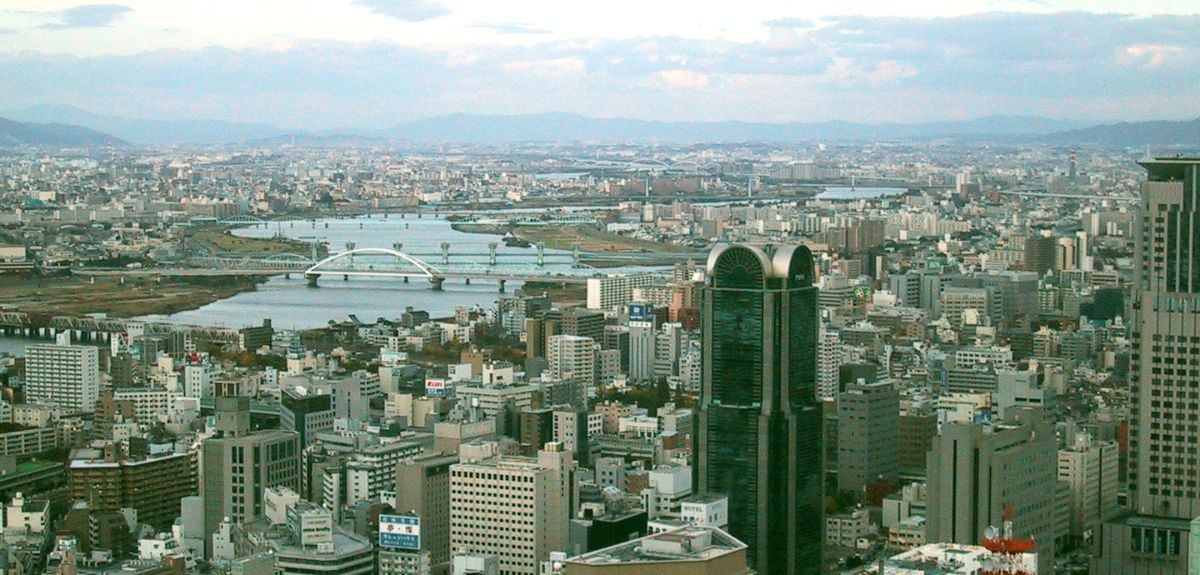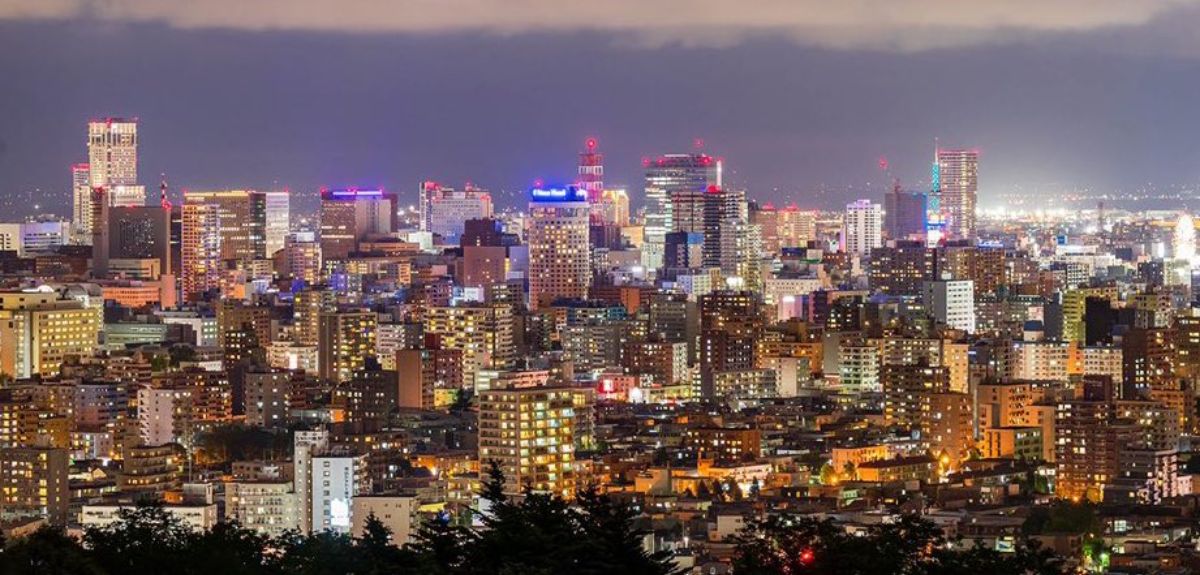


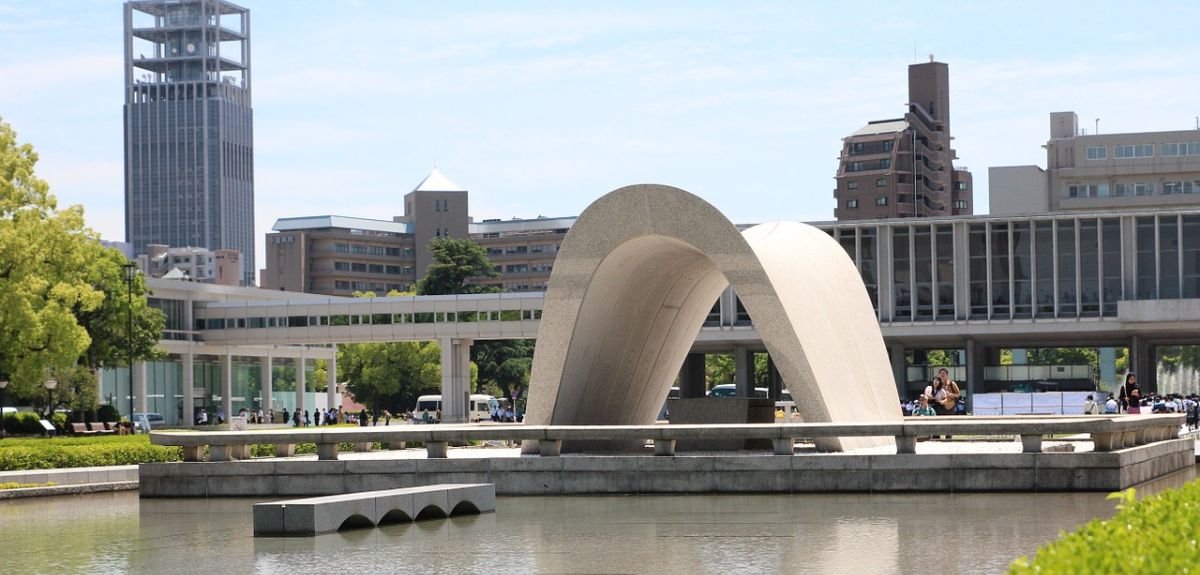
Imagine a city where the echoes of a dramatic past give way to a breathtaking national renaissance, blending deep cultural history with a vibrant modern rhythm. Tucked away on Japan’s Honshu Island, Hiroshima has emerged from the ashes of tragedy to welcome luxury travelers with its serene water views, lush historical gardens, and a truly inspiring spirit of renewal.
Why Visit Hiroshima?
From the mystical floating gates of its sacred islands to the soothing tranquility of its reflective parks, Hiroshima offers a captivating escape that balances deep remembrance with sophisticated culinary and natural treasures. Here is why this resilient gem belongs at the top of your travel bucket list:
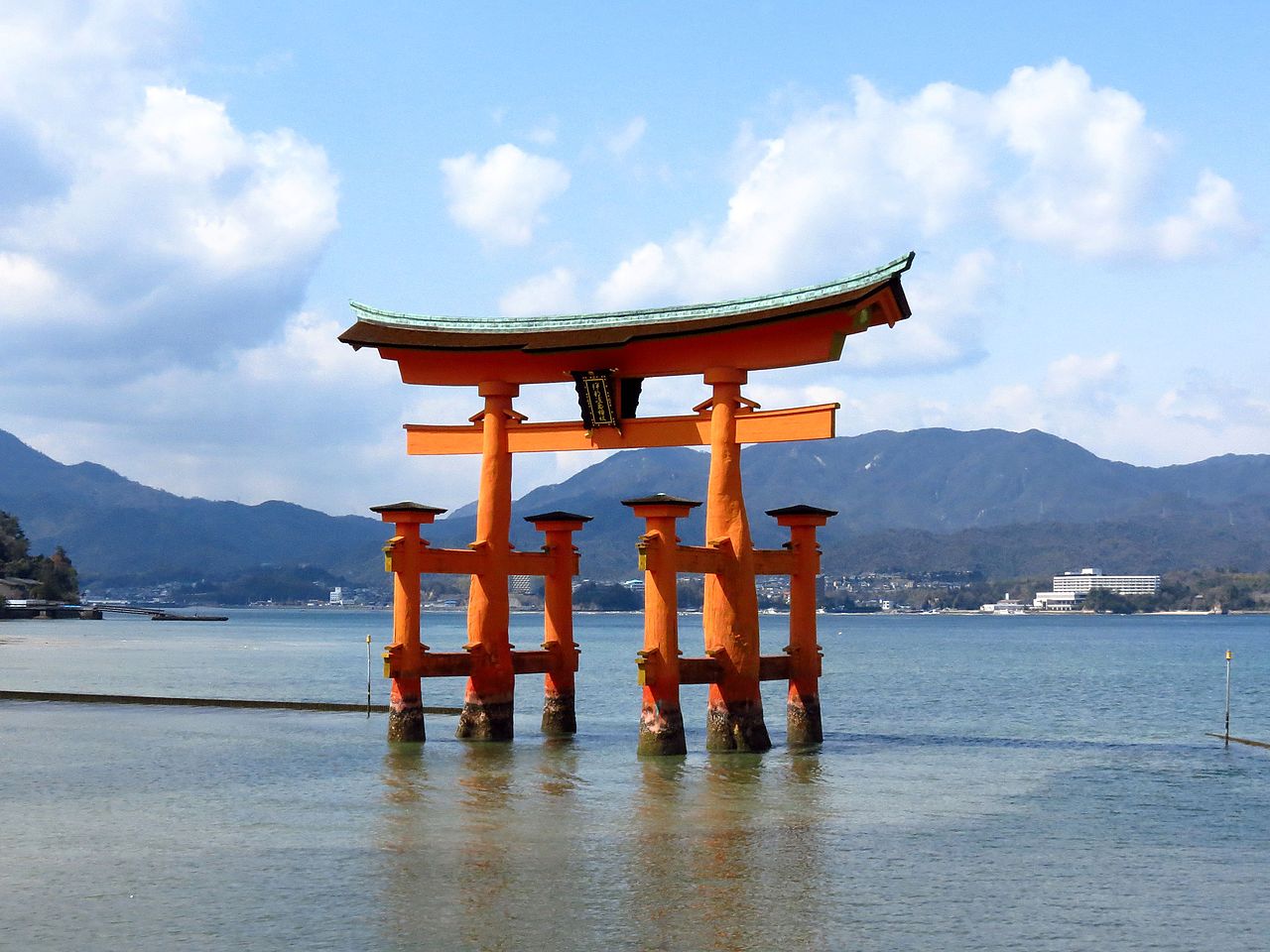
- Itsukushima Shrine: Journey to Miyajima Island to witness this legendary UNESCO World Heritage site, a mystical floating shrine whose grand torii gate appears to dance atop the changing ocean tides.
- Peace Memorial Park: Wander through this sprawling, beautifully landscaped haven of tranquility where the iconic Atomic Bomb Dome stands as a powerful global symbol of hope and human endurance.
- Hiroshima Castle: Step into a living fairy tale at this majestic feudal fortress, surrounded by scenic moats and offering sweeping panoramic views over the modern city skyline.
- Shukkei-en Garden: Indulge in a sensory feast at this miniature traditional landscape garden, where perfectly manicured greenery and elegant tea houses reflect in still, emerald waters.
- Miyajima Omotesando: Stroll through this bustling, chic shopping street to savor local culinary treasures like grilled anagomeshi and fresh, artisan maple leaf-shaped treats.
Whether you are chasing a romantic sunset across the Seto Inland Sea or uncovering the secrets of its samurai past, Hiroshima promises a transformative journey that will linger in your heart forever.
HIROSHIMA KEY INFO
Everything you need to hit the ground running.
WHEN TO VISIT
March to May for cherry blossoms and mild weather; October to November for vibrant autumn foliage.
HOW TO GET THERE
Fly into Hiroshima Airport (HIJ). It’s an airport limousine bus to the city center (~50 min).
HOW TO GET AROUND
Tram! Japan’s largest streetcar network seamlessly connects all major sights and Miyajima ferries. Use an ICOCA or Suica IC card for easy, cashless tapping.
IDEAL TRIP LENGTH
1-2 days for the city itself, but 3 days if you want to include day trips to Miyajima Island or Onomichi.
What is Hiroshima Mainly Known For?
Hiroshima is famous for the Atomic Bomb Dome, a poignant UNESCO World Heritage ruin that miraculously survived the 1945 nuclear blast. It’s also known for Hiroshima Castle, a majestic rebuilt feudal fortress surrounded by scenic moats. Beyond the sights, it’s known as a global City of Peace, where reflective parks celebrate resilience and hope.
Is Hiroshima a Walkable City?
100% yes. Hiroshima is highly compact and wonderfully flat, making it a dream to cross on foot in just twenty minutes. I loved strolling along the serene riverside paths, enjoying the peaceful vibe away from traffic noise.
Is it safe to walk in Hiroshima at night? Absolutely. It’s incredibly safe, with some of the lowest crime rates in Japan. I felt completely at ease wandering the side streets late, though standard traveler’s common sense always applies.
What Is the Best Neighborhood to Walk Around?
Motomachi is the winner. Tucked between the scenic Ota River and majestic castle grounds, this central gem glows with lush memorial parks and bustling historic pathways radiating a resilient spirit. For something completely different, walk over to Hondori, a bohemian district bursting with flashing neon lights, lively covered shopping arcades, and a colorful, high-energy nightlife scene.
What Are the Best Things to Do in Hiroshima? (For Your First Visit)
I visited Hiroshima without a strict day-by-day plan. I wanted to take my time, enjoy the inspiring spirit of renewal and serene water views, and see where the streets took me. I wrote down a few highlights and hit the ground running. Here are the spots I definitely recommend checking out:
Hiroshima Peace Memorial Park
A deeply moving, lush sanctuary of hope. Reflect by the Flame of Peace and the Cenotaph. Entry is free. Pro tip: Visit at sunset when the Atomic Bomb Dome glows with a powerful, haunting atmosphere. Check availability and explore popular experiences.

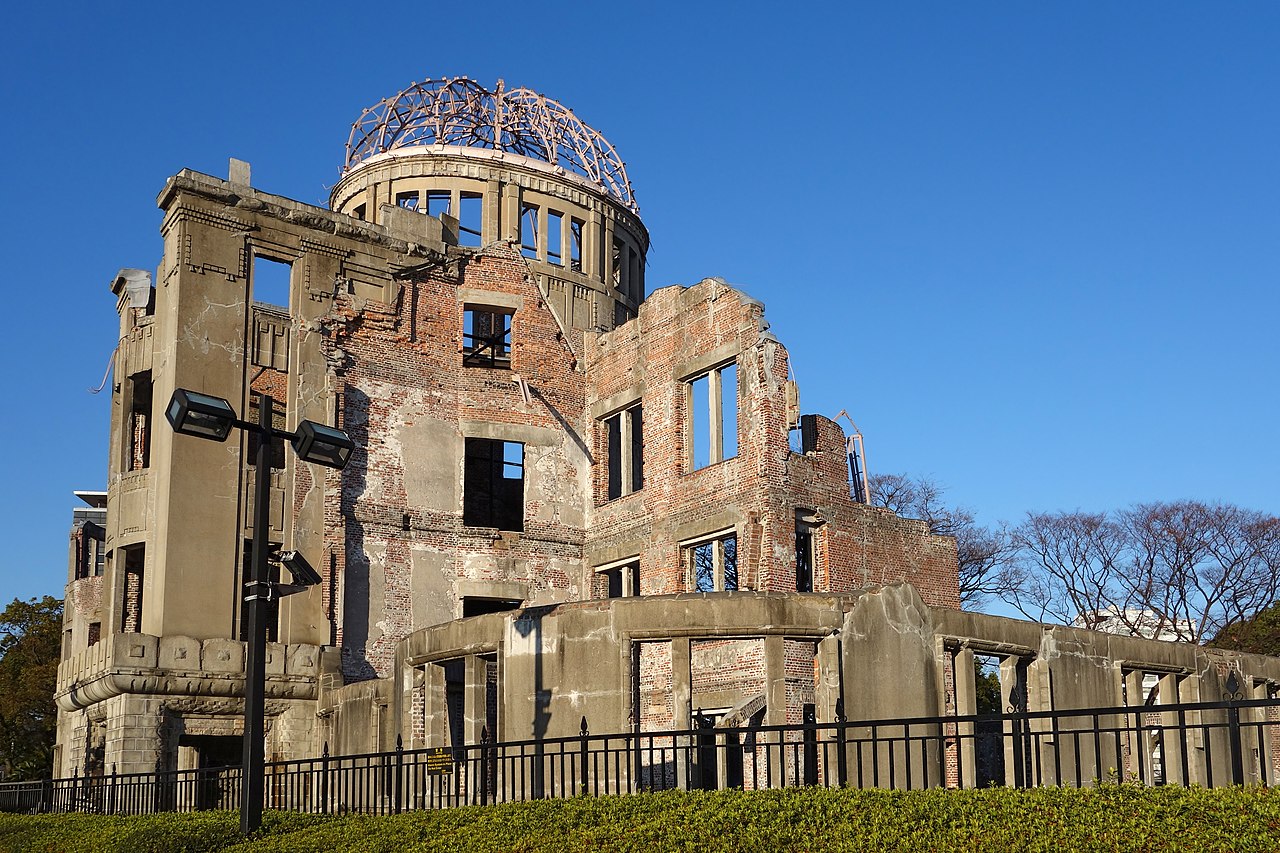
Atomic Bomb Dome
A hauntingly beautiful testament to peace. Marvel at the skeletal steel dome reflecting over the river. Price: Free. Pro tip: Visit at night when it’s illuminated for a deeply moody, reflective atmosphere. Check availability and explore popular experiences.
Hiroshima Peace Memorial Museum
A deeply moving journey from tragedy to hope. Vibe with the poignant narrative structure, personal artifacts, and survivors’ stories. Entry: ~¥200. Pro tip: Book a web ticket online to secure early-bird entry and beat the heavy crowds. Check availability and explore popular experiences.

Itsukushima Shrine
A mystical sanctuary seemingly floating on the tides. Marvel at the iconic vermilion torii gate and traditional boardwalks. Price: ¥300. Pro tip: Visit at low tide to walk right up to the massive great gate. Check availability and explore popular experiences.
Hiroshima Castle
A majestic feudal fortress radiating old-school samurai spirit. Vibe with the scenic moats and climb the keep for sweeping city views. Entry: ~¥370. Pro tip: Visit in spring when cherry blossoms frame the traditional architecture. Check availability and explore popular experiences.

Shukkei-en Garden
A stunning zen escape of shrunken scenery. Vibe with the miniature valleys, Takuei Pond, and the rainbow-shaped drum bridge. Entry: ~¥260. Pro tip: Visit during autumn or cherry blossom seasons for gorgeous evening light-ups. Check availability and explore popular experiences.

Mitaki-dera
A mystical forest escape hidden in the mountains. Vibe with mossy Jizo statues, three rushing waterfalls, and a historic vermilion pagoda. Price: Free. Pro tip: Visit in autumn for jaw-dropping red maple leaves. Check availability and explore popular experiences.

Hiroshima Museum of Art
A calm, light-filled sanctuary blending French Impressionism with modern Japanese art. Vibe with masterpieces by Picasso and Monet. Entry: ~¥700. Pro tip: Check out the beautiful courtyard cafe for a relaxing post-art matcha break. Check availability and explore popular experiences.
Credit: Wikimedia Commons
Orizuru Tower
Catch breezy, modern vibes overlooking history. Score epic rooftop views of the Atomic Bomb Dome and drop a paper crane into the glass wall. Entry: ~¥2,200. Pro tip: Visit at sunset with a local drink for maximum chill. Check availability and explore popular experiences.

Children’s Peace Monument
A deeply moving, hopeful oasis. Marvel at the striking statue of Sadako holding a wire crane, enveloped by millions of vibrant origami birds. Price: Free. Pro tip: Fold your own paper crane beforehand to leave at the memorial. Check availability and explore popular experiences.

Credit: Wikimedia Commons
Must-Do Activities in Hiroshima
To really get the most out of your trip, I recommend checking out these experiences:
What Part of Hiroshima is Best for Tourists?
Stay in the Motomachi district. Everything will be within a 20-minute walk. If you want something a bit more local but still close, the Hondori area is lovely—it features a bustling pedestrian arcade packed with vibrant shops and local restaurants.
What to Know Before Going to Hiroshima
- The Tap Water is Gold: Hiroshima’s tap water is clean, highly regulated, and perfectly safe to drink straight from the faucet.
- Basic English is Common: While major tourist spots handle English well, learning a few Japanese phrases is highly appreciated.
- Visit Hiroshima Tourist Pass: This pass offers unlimited rides on streetcars, buses, and ferries, making it highly cost-effective.
- Sundays are for Shopping: Unlike parts of Europe, major shops, department stores, and supermarkets remain open on Sundays.
- No Tipping Allowed: Tipping is not customary in Japan; exceptional service is already included in the bill.
How Many Days Do I Need in Hiroshima?
3 days is the ideal duration for first-time visitors to experience the profound peace heritage and stunning island scenery.
- Day 1: Hiroshima Peace Memorial Park, Atomic Bomb Dome, Hiroshima Peace Memorial Museum, Children’s Peace Monument, Orizuru Tower.
- Day 2: Hiroshima Castle, Shukkei-en Garden, Mitaki-dera, Hiroshima Museum of Art.
- Day 3: Take a scenic day trip to the iconic floating torii gate on Miyajima Island.
Suggested daily budget – 95-155 EUR / 100-165 USD (Note: This covers mid-range business hotels, casual dining at local okonomiyaki or ramen restaurants, and streetcar transport. You can go cheaper if you stay in capsule hotels or hostels and buy convenience store bento meals).
MONEY SAVING TIPS
- Target the Teishoku: Look for mid-day “Teishoku” lunch sets at spots like Udon-tei Sakae or Niku no Masui to grab a full filling meal of mains, rice, and miso soup for between ¥400 and ¥1,000.
- Tip-Based Trekking: Join a Free Walking Tour Hiroshima meeting at the Peace Memorial Park or JR Hiroshima Station to get a rich historical overview from a local on a pay-what-you-wish basis.
- Secure the Streetcar Pass: Buy a Hiroden Streetcar 1-Day Pass for ¥600 to get unlimited, effortless access to all central tram networks and routes around the city.
- Sunset at Hijiyama Park: Skip the pricey observation decks and grab a supermarket beer to head up to Hijiyama Park for a relaxed, budget-friendly panoramic sunset picnic over the city skyline.
What’s the Best Month to Visit Hiroshima?
May and October are the sweet spots for visiting Hiroshima. During these months, you’ll enjoy mild, comfortable weather perfect for strolling through the Peace Memorial Park and exploring Miyajima Island while avoiding the intense summer heat and peak spring crowds. However, November is a magical alternative, as the city’s landscapes transform with vibrant autumn foliage.
How to Get to Hiroshima
Most international travelers fly into Hiroshima Airport (HIJ). Direct flights arrive from Asian hubs like Seoul, Taipei, and Shanghai; travelers from the US or Europe typically connect through Tokyo or Osaka.
- From the airport: The airport limousine bus reaches the city center in about 50–55 minutes for approximately 1,450 JPY. Taxis are also available but significantly more expensive.
- By Train: Hiroshima Station offers seamless high-speed Shinkansen connections via the Sanyo Line, linking directly to major hubs like Osaka, Kyoto, and Tokyo.
How to Get Around Hiroshima
Ride the tram—it is the absolute best way to navigate.
- Car Rental: Not recommended. Public transit is extensive and parking is difficult; check DiscoverCars only if planning regional trips.
- Walking: Excellent for the flat, highly compact city center and major peace memorials.
- Uber/Bolt: Not available; use local taxi apps like JapanTaxi instead.
- Tours: Great for hassle-free day trips to outer landmarks like Miyajima Island or guided historical walks.
Tips for first-timers: Avoid taking JR trains for inner-city sightseeing—they don’t connect to most central landmarks, causing unnecessary transfers. Use the iconic Hiroden streetcar network instead; it seamlessly links Hiroshima Station directly to the Peace Park and castle!
Hiroshima is the kind of place that lingers in your memory. It is a city where a profound historical legacy and an inspiring spirit of renewal intertwine, defined by its peaceful sanctuaries, resilient soul, and serene, welcoming waters. As you depart this resilient haven, it leaves you with a renewed sense of connection.
Note: This article contains affiliate links. If you purchase something I’ve recommended, I’ll earn a small commission at no extra cost to you. I really appreciate your support and I hope this guide helps you ♡