

Kyoto is a city where time slows to a graceful waltz, whispering secrets of an ancient empire beneath a canopy of brilliant cherry blossoms and golden maples. As Japan’s cultural crown jewel, it effortlessly drapes itself in centuries of tradition while welcoming the modern traveler with an air of unparalleled sophistication and timeless allure.
Why Visit Kyoto?
From the rhythmic click of a geisha’s wooden sandals to the silent grandeur of magnificent wooden temples, Kyoto offers an enchanting escape that transcends ordinary travel. Here is why this poetic destination demands a place in your soul:
- Fushimi Inari-taisha: Wander through a mesmerizing tunnel of thousands of vibrant vermilion torii gates that slice through the emerald mountain forest, casting a cinematic glow upon your path.
- Kiyomizu-dera: Stand upon the soaring, historic wooden stage of this UNESCO masterpiece to capture panoramic views of the city framed by a sea of seasonal foliage.
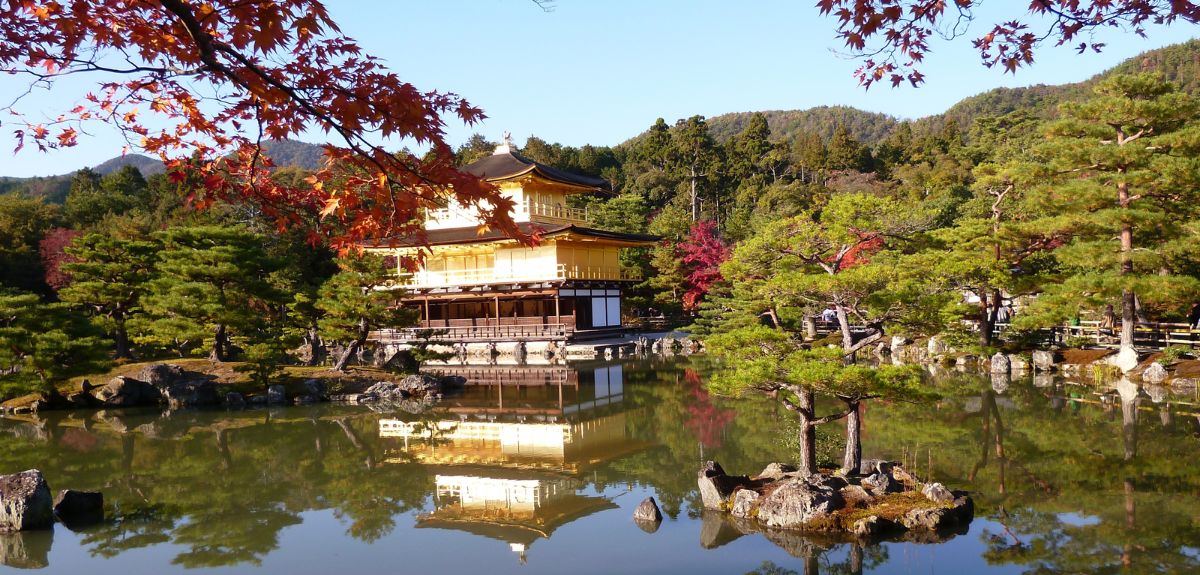
- Kinkaku-ji: Marvel at the breathtaking Golden Pavilion, completely covered in shimmering gold leaf, as it reflects flawlessly across a mirror-like zen pond.
- Traditional Tea Houses: Savor authentic, whisked matcha inside a historic wooden machiya, immersing yourself in a highly refined ritual of mindfulness and hospitality.
- Arashiyama Bamboo Grove: Lose yourself in a soaring labyrinth of towering green stalks, where the gentle mountain breeze creates a soothing, otherworldly symphony.
Whether you are admiring a pristine rock garden or indulging in a multi-course kaiseki masterpiece, Kyoto promises an exquisite journey that will linger in your memory long after the sun sets over the Kamo River.
KYOTO KEY INFO
Everything you need to hit the ground running.
WHEN TO VISIT
March to April for cherry blossoms and mild weather; November for vibrant autumn foliage and fewer crowds.
HOW TO GET THERE
Fly into Kansai International Airport (KIX). It’s the JR Haruka Express to the city center (~75 min).
HOW TO GET AROUND
Bus! It connects all major temples and landmarks efficiently. Use a Subway & Bus 1-Day Pass for unlimited rides and to combine routes.
IDEAL TRIP LENGTH
3-4 days for the city itself, but 5-6 days if you want to include day trips to Nara, Uji, or Osaka.
What is Kyoto Mainly Known For?
Kyoto is famous for being Japan’s ultimate cultural crown jewel, where traditional geisha culture thrives. It’s also known for Fushimi Inari-taisha, a mesmerizing shrine featuring thousands of vibrant vermilion torii gates. Beyond the sights, it’s known as a living museum, hosting an impressive 14 UNESCO World Heritage sites that beautifully preserve ancient history.
Is Kyoto a Walkable City?
100% yes. Kyoto is wonderfully flat and compact, with many historic, pedestrianized alleys. I loved strolling through the atmospheric streets, soaking in the vibe away from traffic noise.
Is it safe to walk in Kyoto at night? Absolutely. It is statistically one of the safest cities globally. I felt completely at ease exploring late, though it’s always smart to use standard traveler’s common sense.
What Is the Best Neighborhood to Walk Around?
Higashiyama is the winner. Tucked between the Kamo River and steep eastern hills, this historic gem glows with preserved wooden machiya and narrow, winding alleys draped in traditional Edo-period architecture. For something completely different, walk over to Demachiyanagi, a bohemian district boasting a relaxed riverside vibe, local cafes, and a youthful, creative pulse.
What Are the Best Things to Do in Kyoto? (For Your First Visit)
I visited Kyoto without a strict day-by-day plan. I wanted to take my time, enjoy its ancient traditions and timeless allure, and see where the streets took me. I wrote down a few highlights and hit the ground running. Here are the spots I definitely recommend checking out:
Fushimi Inari-taisha
Wander through a mesmerizing mountain tunnel of thousands of vibrant vermilion torii gates. Explore fox statues and scenic forest trails. Entry is free. Pro tip: Hike at night to beat the crowds for a mystical, cinematic vibe. Check availability and explore popular experiences.

Kiyomizu-dera
Kyoto’s hillside icon. Its massive wooden stage floats over a sea of maples without a single nail. Highlights: Otowa Waterfall and killer city views. Entry: ~¥500. Pro tip: Arrive at 6 AM to score peaceful, crowd-free morning vibes. Check availability and explore popular experiences.

Kinkaku-ji
Kyoto’s ultimate golden flex. This Zen masterpiece shimmers across a mirror-like pond. Don’t miss the three architectural styles and the golden phoenix. Entry: ¥500. Pro tip: Arrive at 9 am to beat the heavy crowds. Check availability and explore popular experiences.

Ginkaku-ji
Kyoto’s understated Zen masterpiece. Wander through sand gardens and mossy trails steeped in peaceful, old-school vibes. Highlights: the Silver Sand Beach and moon-viewing platform. Entry: ~¥500. Pro tip: Arrive at 9 AM for crowd-free morning light. Check availability and explore popular experiences.

Nijō Castle
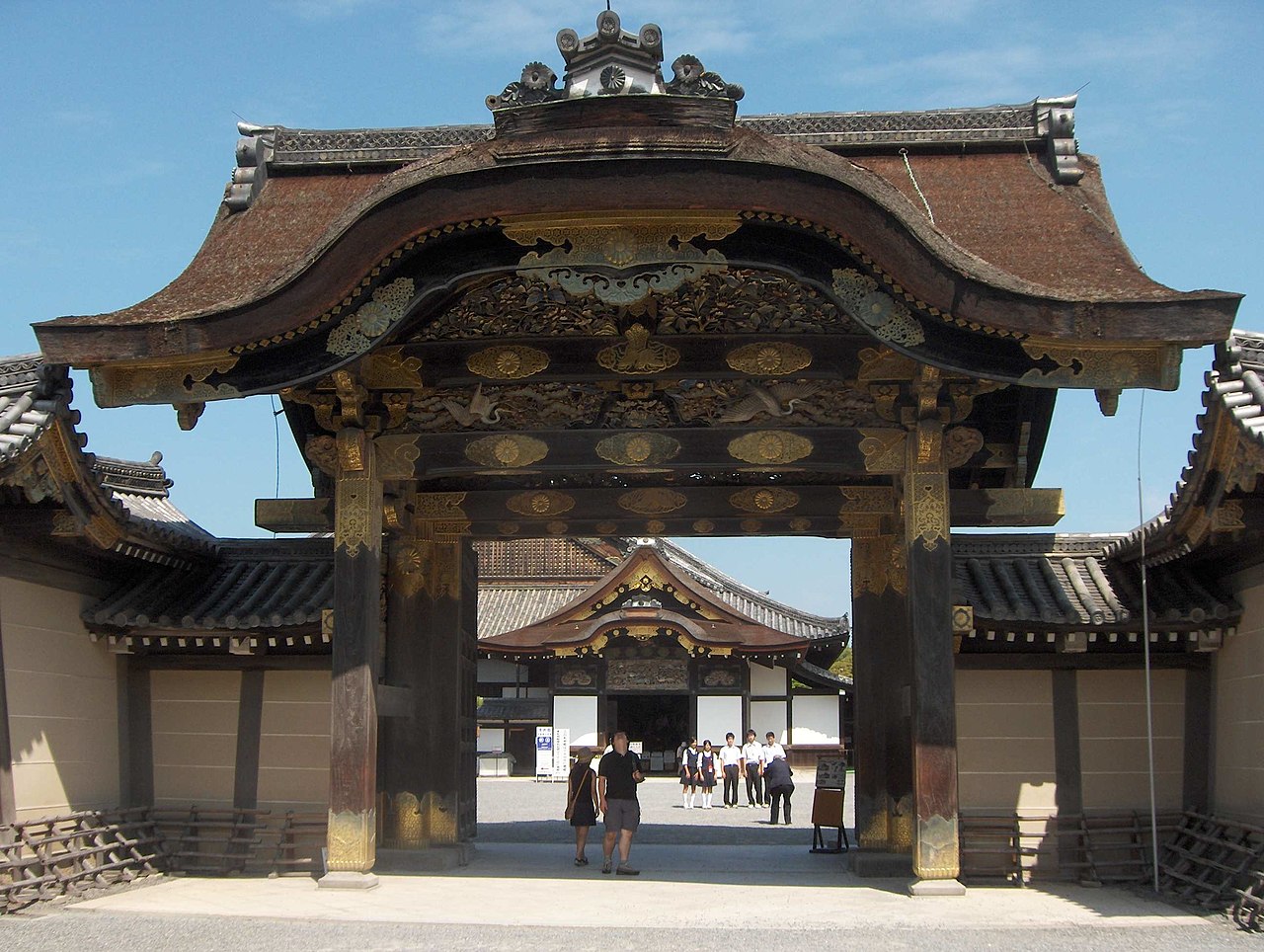
A bold reminder of Japan’s warrior past. Walk through the ornate Ninomaru Palace to hear the famous squeaky nightingale floors. Entry: ~¥800. Pro tip: Go just after opening to beat the heavy crowds. Check availability and explore popular experiences.
Kyoto Imperial Palace
Step into ancient royalty. Wander through majestic gates, gravel paths, and the sprawling Shishinden hall. Entry: Free. Pro tip: Skip the structured tours and stroll the serene surrounding park at your own pace. Check availability and explore popular experiences.
To-ji
Kyoto’s ancient guardian temple oozes historic cool. See Japan’s tallest wooden pagoda and powerful Buddhist statues. Entry: ~¥800. Pro tip: Visit on the 21st for the lively Kobo-ichi flea market and street food. Check availability and explore popular experiences.
Kyoto Tower
Kyoto’s ultimate modern lighthouse. This retro-cool spire cuts through the ancient skyline with 360-degree views from 100 meters up. Highlights: free telescopes and the basement food hall. Entry: ~¥900. Pro tip: Visit at night to see it beautifully illuminated. Check availability and explore popular experiences.

Nanzen-ji
Kyoto’s quieter, mountain-framed Zen haven. Highlights: the massive Sanmon Gate and a striking red-brick Roman aqueduct. Entry: Free (sub-temples ~¥500). Pro tip: Walk the scenic Philosopher’s Path directly from Ginkaku-ji to arrive in style. Check availability and explore popular experiences.

Tenryu-ji
Kyoto’s premier Zen haven. Soak in mountain views and the stunning Sogen Pond Garden framed by Arashiyama’s peaks. Entry: ~¥500. Pro tip: Arrive at 8:30 AM to hit the adjoining Bamboo Forest before the crowds arrive. Check availability and explore popular experiences.

Must-Do Activities in Kyoto
To really get the most out of your trip, I recommend checking out these experiences:
What Part of Kyoto is Best for Tourists?
Stay in Higashiyama. Everything will be within a 15-minute walk. If you want something a bit more local but still close, Demachiyanagi is lovely—it boasts a relaxed riverside vibe, local cafes, and a youthful, creative pulse.
What to Know Before Going to Kyoto
- The Tap Water is Gold: Kyoto’s tap water is perfectly safe, high-quality, and meets strict national standards.
- Basic English Skills: English is common in tourist hubs, hotels, and main attractions, though limited elsewhere.
- The Subway & Bus Pass: This pass offers excellent value for unlimited transit rides across major attractions.
- Open Seven Days: Most department stores and large shops remain open on Sundays throughout the city.
- No Tipping Allowed: Tipping is not a custom in Japan and will likely be politely refused.
How Many Days Do I Need in Kyoto?
3 to 4 days is the ideal duration for first-time visitors to balance ancient temples, traditional geisha culture, and iconic shrines.
- Day 1: Fushimi Inari-taisha, Kiyomizu-dera, Kinkaku-ji, Ginkaku-ji, Nijō Castle.
- Day 2: Kyoto Imperial Palace, To-ji, Kyoto Tower, Nanzen-ji, Tenryu-ji.
- Day 3: Take a scenic day trip to the historic city of Nara.
Suggested daily budget – 125-170 EUR / 135-170 USD (Note: This covers mid-range 3-star business hotels, dining at casual local restaurants, and public bus or subway transport. You can go cheaper if you buy convenience store meals and visit free shrines.)
MONEY SAVING TIPS
- Master the Lunch Deals: Look for restaurants offering lunch set menus, like Saika-tei near Kyoto Station where hearty lunch sets start at just ¥630, or try a “tachi-kui” (stand-and-eat) shop for cheap noodle bowls under ¥800.
- Tip-Based Trekking: Join a Kyoto Free Walking Tour meeting in front of McDonald’s Shijo Ohashi to explore the historic Gion and Higashiyama districts with an expert local guide on a pay-what-you-wish basis.
- Card Over Coins: Grab a Subway & Bus One-Day Pass for ¥1,100 to get unlimited rides on all city subways and buses, saving you money if you plan to hit three or more major temple districts in a day.
- Sunset at the Kamogawa: Skip the pricey bars and buy some cold beers from a local convenience store, then head down to the banks of the Kamo River (Kamogawa) to sit on the lawns and enjoy a scenic evening picnic like a local.
What’s the Best Month to Visit Kyoto?
May and September are the sweet spots for visiting Kyoto. During these months, you will enjoy mild temperatures perfect for strolling historic streets and viewing fresh greenery or early autumn colors while avoiding intense summer heat and peak tourist crowds. However, November is a magical alternative, as the city transforms with vibrant autumn leaves and illuminated evening temple gardens.
How to Get to Kyoto
Most international travelers fly into Kansai International Airport (KIX). It serves as the primary gateway, with direct flights from major international hubs across Asia, Europe, and North America.
- From the airport: The JR Haruka Express connects directly to Kyoto Station in about 75 minutes for around 3,600 JPY.
- By Train: Kyoto Station is centrally connected via the Tokaido Shinkansen bullet train, offering rapid access from Tokyo (2.5 hours) and Shin-Osaka (15 minutes).
How to Get Around Kyoto
Take the bus and subway—it is the absolute best way to navigate efficiently.
- Car Rental: Not recommended. Traffic is heavy, streets are narrow, and parking is difficult.
- Walking: Excellent. The city center and historic districts are highly compact, flat, and pedestrian-friendly.
- Uber/Bolt: Uber is available for hailing local taxis, but Bolt does not operate here.
- Tours: Great for hassle-free transit to distant temples or guided historical walks through Higashiyama.
Tips for first-timers: Avoid renting a car—Narrow, crowded historic streets and expensive, scarce parking make driving a complete nightmare. Use the highly efficient bus system or walk to explore the scenic alleys stress-free!
Kyoto is the kind of place that lingers in your memory. It is a city where ancient tradition and timeless allure beautifully intertwine, defined by its tranquil moss gardens, vibrant vermilion shrines, and a profound cultural legacy that thrives in every quiet alleyway. As you bid farewell to its mist-covered hills, it leaves you with a renewed sense of wonder.
Note: This article contains affiliate links. If you purchase something I’ve recommended, I’ll earn a small commission at no extra cost to you. I really appreciate your support and I hope this guide helps you ♡