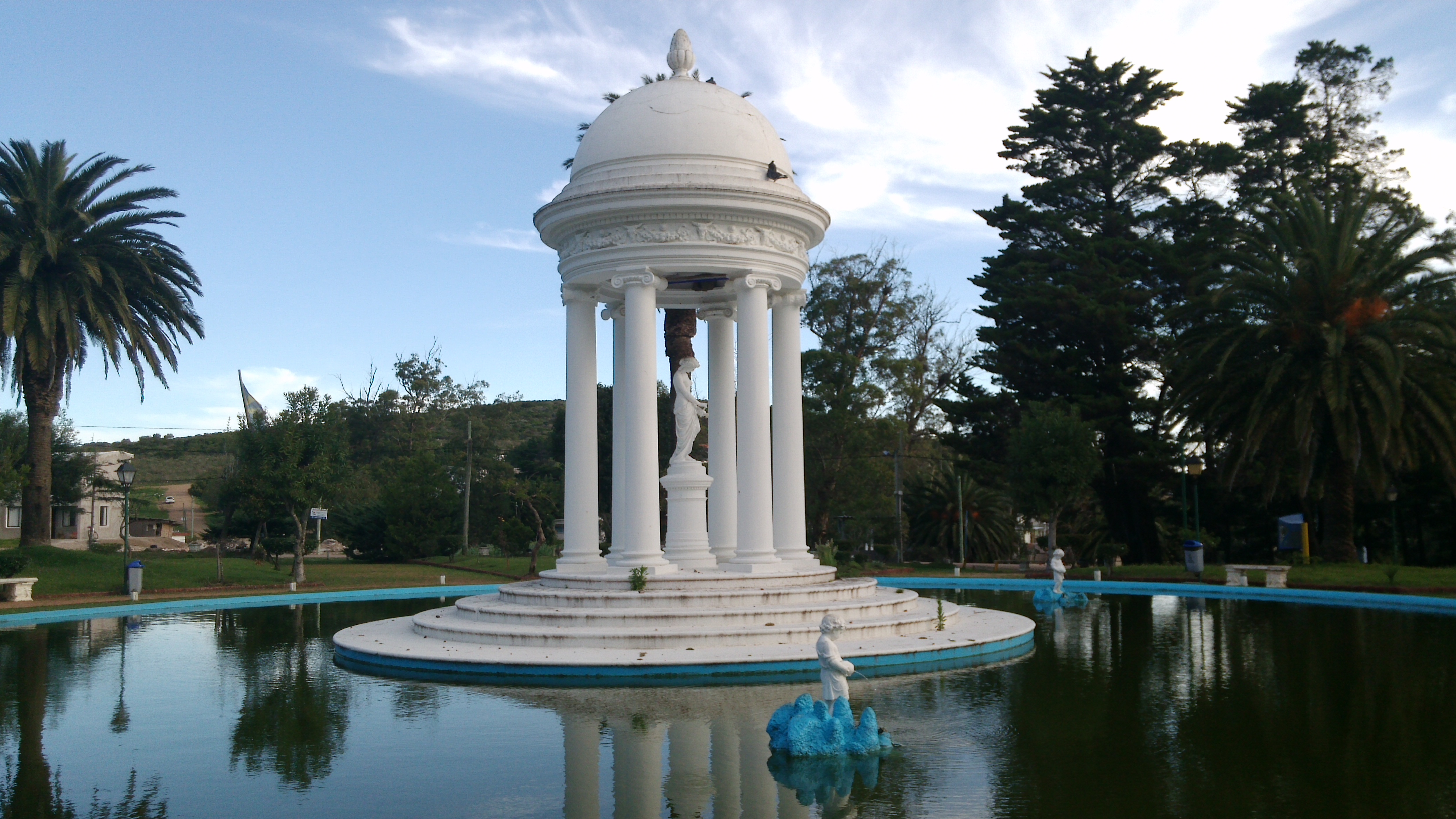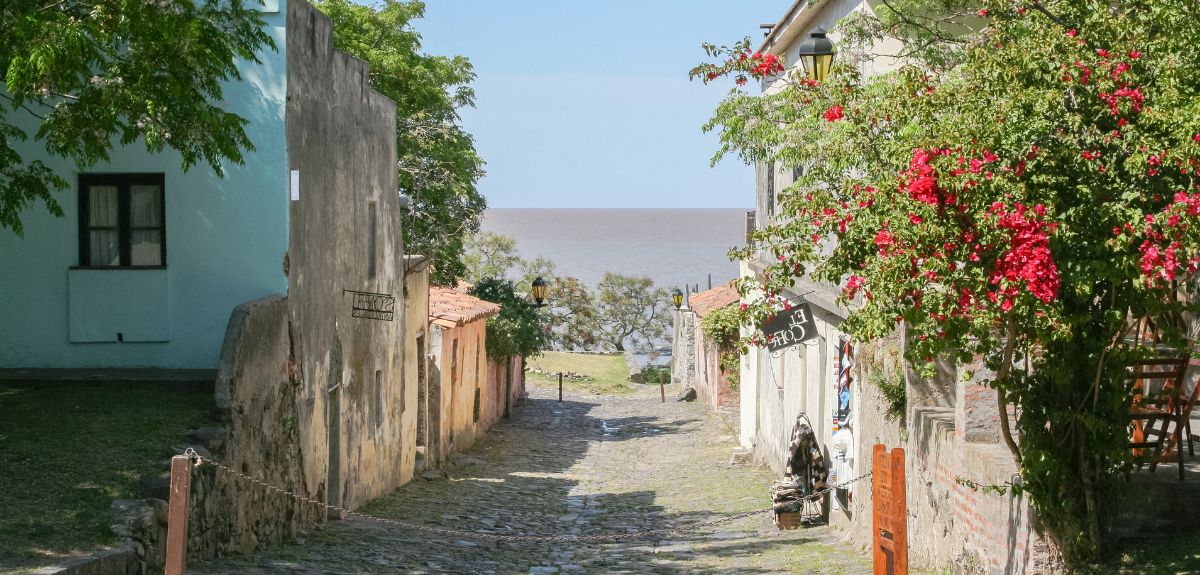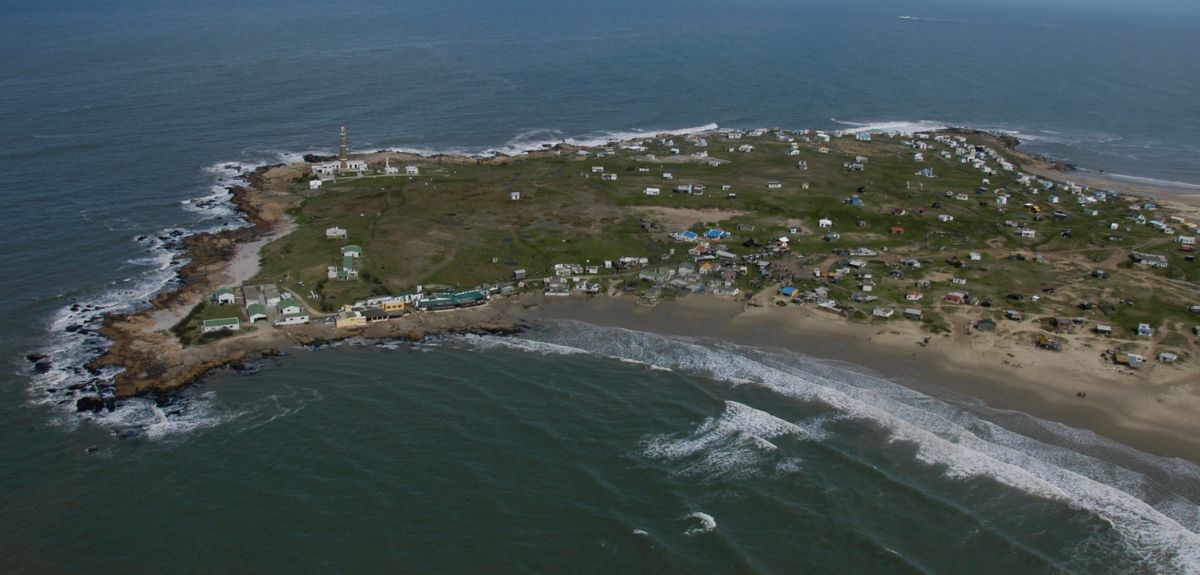


Washed by the gentle rhythm of the Río de la Plata and guarded by mist-covered peaks, Piriápolis emerges as a coastal sanctuary where Belle Époque romance meets the rugged spirit of South America. Walking its storied promenade feels like stepping into a vintage postcard, where the legacy of an alchemist founder still lingers in the salty breeze and the golden glow of the setting sun.
Why Visit Piriápolis?
Beyond its sun-drenched shores, this enchanting town offers a mosaic of mystical history and panoramic grandeur that captivates every soul who wanders here. Here is why Piriápolis is Uruguay’s best-kept secret:
- Castillo de Piria: Explore the former residence of the city’s founder, a Renaissance-inspired masterpiece filled with alchemical symbols and lush gardens that whisper tales of imperial ambition.
- Cerro San Antonio: Ascend this iconic hill via a nostalgic chairlift to witness a breathtaking 360-degree vista where the azure ocean meets the verdant hills of Maldonado.
- Argentino Hotel: Step into the lobby of this 1930s icon, once the largest hotel in South America, to experience the timeless glamour of its thermal spas and grand ballrooms.
- Rambla de los Argentinos: Savor a sunset stroll along this expansive seaside esplanade, where the European-style architecture provides a sophisticated backdrop to the crashing waves.
- Cerro Pan de Azúcar: Challenge yourself with a hike up Uruguay’s third-highest peak to find a massive cross at the summit and a nature reserve teeming with native wildlife at its base.
Whether you are drawn by the call of the mountains or the glitter of the sea, Piriápolis promises a sophisticated escape that balances historic intrigue with pure, coastal serenity.
PIRIÁPOLIS KEY INFO
Everything you need to hit the ground running.
WHEN TO VISIT
December to March for beach weather and lively atmosphere; Autumn for mild hiking and fewer crowds.
HOW TO GET THERE
Fly into Carrasco International Airport (MVD). It’s a direct bus or rental car to the city center (~1h 20min).
HOW TO GET AROUND
Walk! The town is compact and scenic, making it easy to reach most sights on foot. For longer trips, rent a bicycle or moped on Piria Avenue.
IDEAL TRIP LENGTH
2-3 days for the city itself, but 4-5 days if you want to include day trips to Punta del Este or the Arboretum Lussich.
What is Piriápolis Mainly Known For?
Piriápolis is famous for its mystical alchemical and Masonic symbolism, woven into the city’s design by founder Francisco Piria. It’s also known for the Argentino Hotel, a grand 1930s icon that was once South America’s largest hotel. Beyond the sights, it’s known as Uruguay’s first planned seaside resort, blending European charm with a laid-back coastal vibe.
Is Piriápolis a Walkable City?
100% yes. Piriápolis is incredibly compact and walkable, especially along the beautiful Rambla. I loved exploring the seafront and hills on foot, enjoying the peaceful atmosphere without the constant hum of traffic.
Is it safe to walk in Piriápolis at night? Absolutely. It is one of the safest coastal towns in Uruguay. I felt completely at ease, though I always recommend using standard traveler’s common sense.
What Is the Best Neighborhood to Walk Around?
The Rambla is the winner, a grand seaside boulevard tracing the silver waters of the Río de la Plata. It is lined with Belle Époque architecture and palm-fringed walkways that capture the city’s alchemical charm. For something completely different, walk over to Playa San Francisco, a bohemian coastal stretch known for its rugged dunes, surf culture, and laid-back, creative energy.
What Are the Best Things to Do in Piriápolis? (For Your First Visit)
I visited Piriapolis without a strict day-by-day plan. I wanted to take my time, enjoy the Belle Epoque charm and mystical coastal vibe, and see where the streets took me. I wrote down a few highlights and hit the ground running. Here are the spots I definitely recommend checking out:
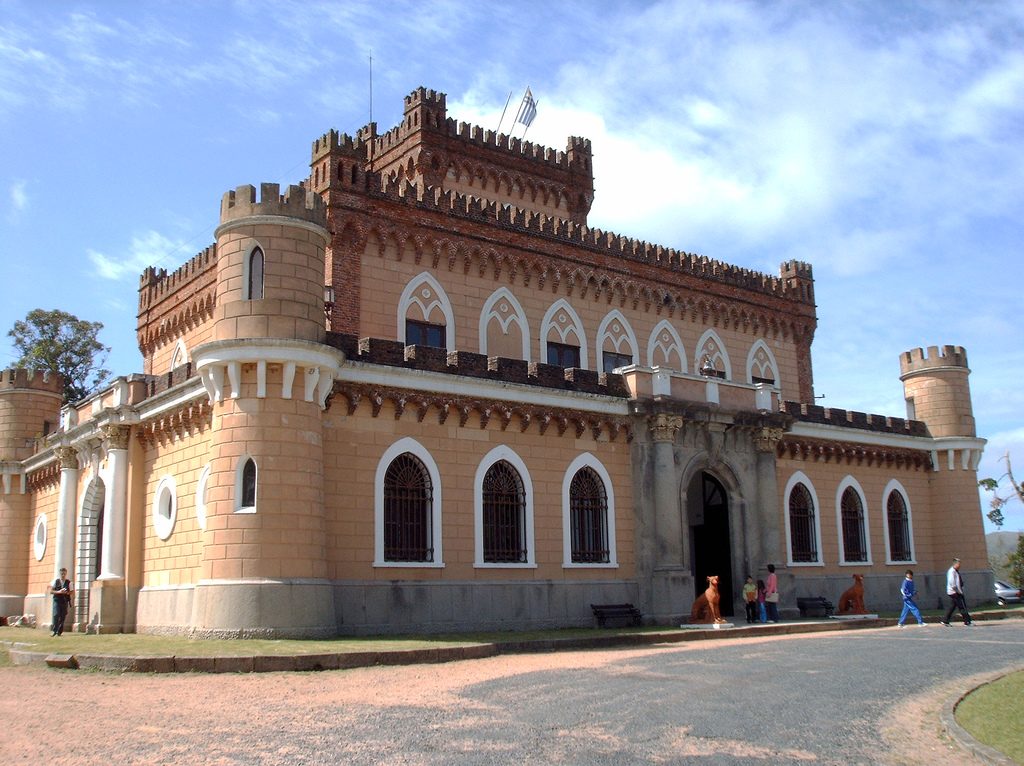
Castillo de Piria
Explore Francisco Piria’s 1897 Renaissance-style masterpiece, blending mystical alchemy with imperial grit. Wander through period art, weaponry, and lush gardens. Price: Free entry. Pro tip: Head to the Florentine balconies for epic panoramic views of the countryside and coast. Check availability and explore popular experiences.
Cerro San Antonio
Considered the balcony of the city, this hill offers stunning 360-degree coastal views. Highlights: chairlift rides, a hilltop chapel, and the Madonna sculpture. Price: Free (chairlift ~€7). Pro tip: Visit at sunset for a truly magical atmosphere. Check availability and explore popular experiences.

Credit: Wikimedia Commons
Argentino Hotel
Step into a 1930s time capsule at this grand beachside icon. Vibe with vintage alchemy, thermal pools, and a classic casino. Price: Free to explore; rooms from $115. Pro tip: Visit the “Salón Dorado” for ultimate golden-era glamour. Check availability and explore popular experiences.
Rambla de los Argentinos
Experience the soul of the city on this iconic seaside walk. Enjoy ocean breezes, historic architecture, and vibrant sunsets. Highlights: coastal views and commercial hubs. Price: Free. Pro tip: Walk toward the port at golden hour for the best vibes. Check availability and explore popular experiences.

Cerro Pan de Azúcar
Conquer Uruguay’s third-highest peak for epic 360-degree coastal views. Highlights: the iconic summit cross and a base nature reserve. Price: Free (reserve entry). Pro tip: Bring at least a liter of water; the rocky climb is a workout! Check availability and explore popular experiences.

Credit: Wikimedia Commons
Cerro del Toro
Hike through lush native forest to reach this volcanic peak’s 250m summit. Highlights: the iconic bronze bull fountain and a hidden puma sculpture. Price: Free. Pro tip: Visit the nearby Cerro del Toro winery for a coastal Albariño. Check availability and explore popular experiences.
Credit: Wikimedia Commons
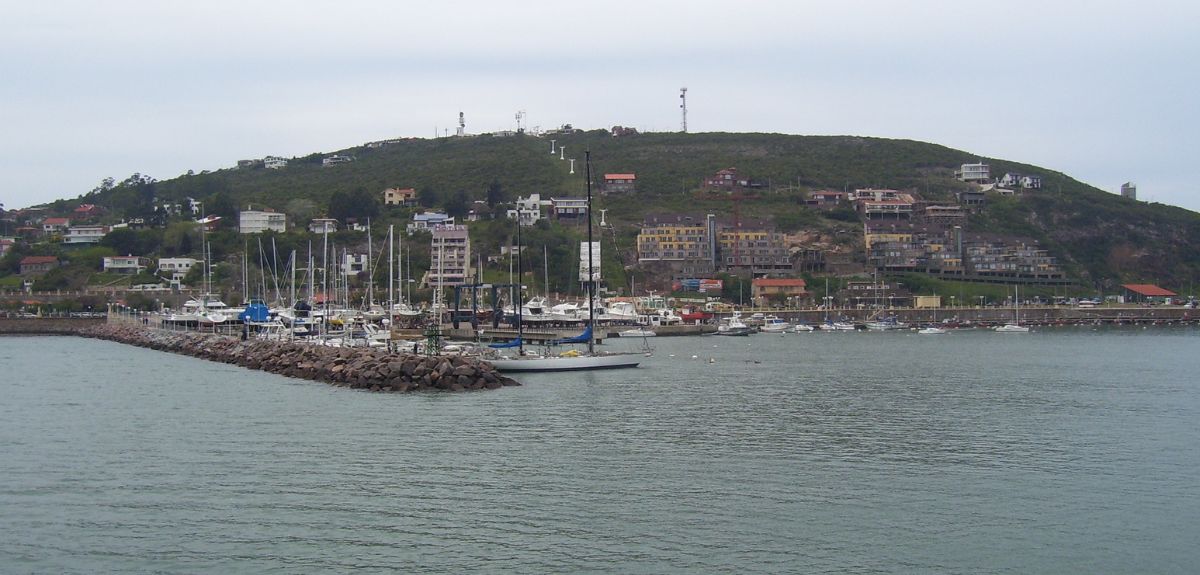
Puerto de Piriápolis
Experience the authentic maritime soul of Piriápolis at this picturesque harbor. Watch local fishermen unload their catch alongside sleek yachts. Price: Free to wander. Pro tip: Grab fresh seafood empanadas at the port stalls for a perfect sunset snack. Check availability and explore popular experiences.
Credit: Wikimedia Commons
Templo de San Antonio
This hilltop chapel is a serene sanctuary with unmatched panoramic vibes. Highlights: the sacred terracotta image from Milan and 360-degree coastal views. Price: Free. Pro tip: Take the chairlift up for an epic, breezy perspective of the city. Check availability and explore popular experiences.

Credit: TripAdvisor
Playa San Francisco
Catch epic Atlantic swells at this chilled-out surfer’s paradise. Highlights: golden dunes and crystal-clear waves. Price: Free. Pro tip: Stick around for the sunset; it’s the best in Piriápolis and perfect for low-key beach bonfires. Check availability and explore popular experiences.

Parque Municipal la Cascada
Escape the beach for this lush, renovated garden oasis. Vibe: chill nature retreat with picnic spots. Highlights: the iconic waterfall, amphitheater, and native forest trails. Price: Free. Pro tip: Arrive early on weekends to snag a BBQ grill. Check availability and explore popular experiences.

Credit: TripAdvisor
Must-Do Activities in Piriápolis
To really get the most out of your trip, I recommend checking out these experiences:
No products were found!
What Part of Piriápolis is Best for Tourists?
Stay in the city center near the Rambla. Everything will be within a 15-minute walk. If you want something a bit more local but still close, the Playa San Francisco area is lovely—it offers a relaxed beach vibe with stunning sunsets and quieter sands.
What to Know Before Going to Piriápolis
- The Tap Water is Gold: Tap water is safe and potable, though most visitors use filters or buy bottled water.
- English is Limited: Spanish is primary; English is understood in tourism, but basic Spanish phrases are very helpful.
- No Specific City Card: Piriápolis lacks a dedicated tourist pass; pay for attractions individually or book guided regional tours.
- Relaxed Sundays: Many shops and services operate with reduced hours on Sundays; plan ahead for essential shopping.
- Tipping Etiquette: Tip 10% in restaurants; taxis don’t require tips, but rounding up the fare is appreciated.
How Many Days Do I Need in Piriápolis?
2 to 3 days is ideal to experience the city’s unique blend of mystical alchemy, coastal charm, and panoramic hill climbs.
- Day 1: Castillo de Piria, Cerro San Antonio, Rambla de los Argentinos, Argentino Hotel, Puerto de Piriápolis.
- Day 2: Cerro Pan de Azúcar, Reserva de Flora y Fauna, Cerro del Toro, Parque Municipal la Cascada, Playa San Francisco.
- Day 3: Take a scenic day trip to the glamorous nearby resort city of Punta del Este.
Suggested daily budget – 105-160 EUR / 115-175 USD (Note: This covers mid-range hotels or boutique inns, dining at local waterfront restaurants, and guided hill tours or chairlift rides. You can go cheaper if you stay in hostels, use local buses, and enjoy the free public beaches and rambla).
MONEY SAVING TIPS
- Savvy Seaside Snacks: Skip the sit-down restaurants and grab a fresh fish-and-seafood empanada from the local stalls at the Puerto de Piriápolis, or look for a “Menú del Día” at casual spots like Yo Yo Restaurant near the boardwalk for a budget-friendly local feast.
- Free Castle Culture: Explore the mystical Castillo de Piria for absolutely no charge; the Renaissance-style palace and its lush gardens offer a deep dive into the city’s alchemical history without an entry fee.
- Card Over Cash: Use a CODESA prepaid card for local bus travel to save 10% on all fares and enjoy free transfers within the hour, making it the most economical way to navigate the Maldonado region.
- Sunset for Less: Avoid pricey hilltop bars and hike up Cerro San Antonio on foot (saving the 200-300 peso chairlift fee) to enjoy a store-bought beer or local wine with the best 360-degree sunset views in the city.
What’s the Best Month to Visit Piriápolis?
November and April are the sweet spots for visiting Piriápolis. These months offer pleasant temperatures and clear skies, perfect for hiking coastal hills and exploring historical sites without the peak summer crowds. However, January is a vibrant alternative, as the city comes alive with festive summer energy, beach events, and the longest-running carnival celebrations in the region.
How to Get to Piriápolis
Most international travelers fly into Carrasco International Airport (MVD). Key direct connections include hubs like Miami, Madrid, Panama City, and Sao Paulo.
- From the airport: Direct buses to Piriapolis take approximately 1.5 to 2 hours and cost between $7 and $10. A taxi or private transfer takes about 1 hour and costs significantly more.
- By Train: There are no passenger rail services to Piriapolis. Travelers typically use the frequent and affordable bus network or rental cars from Montevideo or Punta del Este.
How to Get Around Piriápolis
Walk and use the bus—it is the ultimate way to see the city.
- Car Rental: Not recommended for the city center but useful for regional exploration; use DiscoverCars to compare prices.
- Walking: Perfect for the compact downtown and the scenic Rambla seafront.
- Uber/Bolt: Uber is available and reliable for quick trips across town.
- Tours: Excellent for reaching distant landmarks like Cerro Pan de Azúcar or local wineries without a car.
Tips for first-timers: Avoid climbing Cerro Pan de Azúcar in flimsy shoes—the steep, rocky trail is a slip and sprain nightmare. Wear sturdy hiking boots and bring at least two liters of water for a safe, rewarding ascent to the summit!
Piriápolis is the kind of place that steals your heart. It is a mystical fusion of Belle Époque elegance, alchemical secrets, and rugged coastal beauty, defined by its sun-drenched hills and salt-sprayed rambla. As you watch the golden sun dip below the horizon, it leaves you with a renewed sense of wonder and connection to the sea.
Note: This article contains affiliate links. If you purchase something I’ve recommended, I’ll earn a small commission at no extra cost to you. I really appreciate your support and I hope this guide helps you ♡