

Get Inspired

Itineraries

Travel Guides

About Me

Top
  >  Uruguay   >  Best Places to Visit in Cabo Polonio
best places to visit in cabo polonio

Hidden between shifting golden sands and the wild Atlantic spray, Cabo Polonio is a destination where time dissolves into the rhythmic hum of the ocean. This ruggedly glamorous enclave, accessible only by 4×4 across towering dunes, offers a rare return to simplicity without sacrificing the raw, soul-stirring beauty that sophisticated travelers crave.

Why Visit Cabo Polonio?

Cabo Polonio is a sanctuary of bohemian elegance and untamed nature, offering a unique off-grid experience that enchants every visitor. Here is why this coastal gem is a must-visit:

  • Cabo Polonio Lighthouse: Climb the 132 steps of this historic brick sentinel for a breathtaking 360-degree view of the vast dunes and the sprawling sea lion colony below.
  • Giant Sand Dunes: Wander through a surreal landscape of mobile golden peaks, a protected natural monument that feels like a Saharan escape on the edge of the ocean.
  • Sea Lion Sanctuary: Witness one of the largest colonies in South America as hundreds of wild sea lions bask on the sun-drenched rocks at the tip of the peninsula.
  • Off-Grid Village Life: Experience the magic of a town without electricity or running water, where candlelit dinners and star-filled skies create an atmosphere of pure, rustic romance.
  • Bioluminescent Plankton: On special nights, the dark Atlantic waves of Playa Sur come alive with a sparkling neon glow, turning a midnight stroll into a cinematic dream.

Whether you are chasing the sunset from the top of a dune or sipping cocktails by candlelight, Cabo Polonio promises an unforgettable journey into the heart of Uruguay’s wild coast.

CABO POLONIO KEY INFO

Everything you need to hit the ground running.

WHEN TO VISIT

December to March for warm beach weather and active nightlife; September to November for fewer crowds and whale watching.

HOW TO GET THERE

Fly into Punta del Este International Airport (PDP). It’s a bus or private transfer to the city center (~45-60 min).

HOW TO GET AROUND

4×4 Truck! Private vehicles are banned, so take the authorized 4×4 trucks from the terminal to reach the village. Buy tickets at the Puerta del Polonio visitor center.

IDEAL TRIP LENGTH

1-2 days for the village itself, but 3 days if you want to include a hike to the neighboring town of Barra de Valizas.

What is Cabo Polonio Mainly Known For?

Cabo Polonio is famous for its massive shifting sand dunes, which act as a natural barrier to the outside world. It’s also known for the Cabo Polonio Lighthouse, a historic 1881 beacon providing views of vast sea lion colonies. Beyond the sights, it’s known for its off-grid, candlelight vibe that offers a pure escape from modern life.

Is Cabo Polonio a Walkable City?

100% yes. Cabo Polonio is entirely car-free and sandy, making it perfectly compact for exploring on foot. I loved the absolute silence and the raw, natural vibe without any traffic noise.

Is it safe to walk in Cabo Polonio at night? Absolutely. It is incredibly safe due to its remote, small-town nature. I felt completely at ease under the stars, though standard common sense is always recommended.

What Is the Best Neighborhood to Walk Around?

Cabo Polonio Village is the winner, a rustic cluster of colorful shacks nestled between massive shifting dunes and the Atlantic shore. Its winding sandy paths lack pavement or electricity, offering a timeless, candlelit charm. For something completely different, walk over to Playa La Calavera, a bohemian stretch where the wild shoreline features psychedelic street art, shipwrecks, and a raw, untamed edge.

What Are the Best Things to Do in Cabo Polonio? (For Your First Visit)

I visited Cabo Polonio without a strict day-by-day plan. I wanted to take my time, enjoy the rugged, off-grid coastal charm, and see where the sandy paths took me. I wrote down a few highlights and hit the ground running. Here are the spots I definitely recommend checking out:

Cabo Polonio National Park

Uruguay’s ultimate off-grid escape. Roam shifting dunes and rugged shores home to massive sea lion colonies. Park entry is free; 4×4 trucks cost ~$8. Pro tip: Stay overnight for breathtaking, star-filled skies and pure, candlelight vibes. Check availability and explore popular experiences.

Cabo Polonio National Park

Credit; Wikimedia Commons

Cabo Polonio Lighthouse

Cabo Polonio’s iconic sentinel offers 360-degree views of shifting dunes and sprawling seal colonies. It’s a rugged, off-grid masterpiece. Price: ~35 UYU. Pro tip: Climb the 132 steps at sunset for an epic, star-filled coastal glow. Check availability and explore popular experiences.

Cabo Polonio Lighthouse
Credit: Wikimedia Commons

Playa Sur

A vast, windswept paradise with rolling dunes and legendary surf. Catch a golden sunset or spot sea lions from the shore. Price: Free. Pro tip: Visit the “Al fin y al cabo” bar for chilled sunset vibes and cocktails. Check availability and explore popular experiences.

Playa Sur
Credit: Wikimedia Commons

Playa La Calavera

The wilder side of Cabo Polonio, where rugged rocks meet crashing Atlantic waves. Spot shipwrecks and whales during migration. Price: Free. Pro tip: Walk the shoreline at low tide to discover hidden tidal pools and skeletal ship remains. Check availability and explore popular experiences.

playa la calavera uruguay

Credit: Wikimedia Commons

Sea Lion Colony

Witness hundreds of wild sea lions basking on rugged rocks in this untamed coastal sanctuary. Experience raw nature and powerful surf. Price: Free. Pro tip: Walk to the lighthouse for the best vantage point of the colony. Check availability and explore popular experiences.

Sea Lion Colony

Credit: Wikimedia Commons

Sand Dunes of Cabo Polonio

Get lost in a sea of massive, shifting golden sands. Trek these Saharan-style peaks for insane ocean views and total isolation. Price: Free. Pro tip: Go barefoot to feel the heat, but bring water—it’s a desert out there. Check availability and explore popular experiences.

Sand Dunes of Cabo Polonio

Credit: Wikimedia Commons

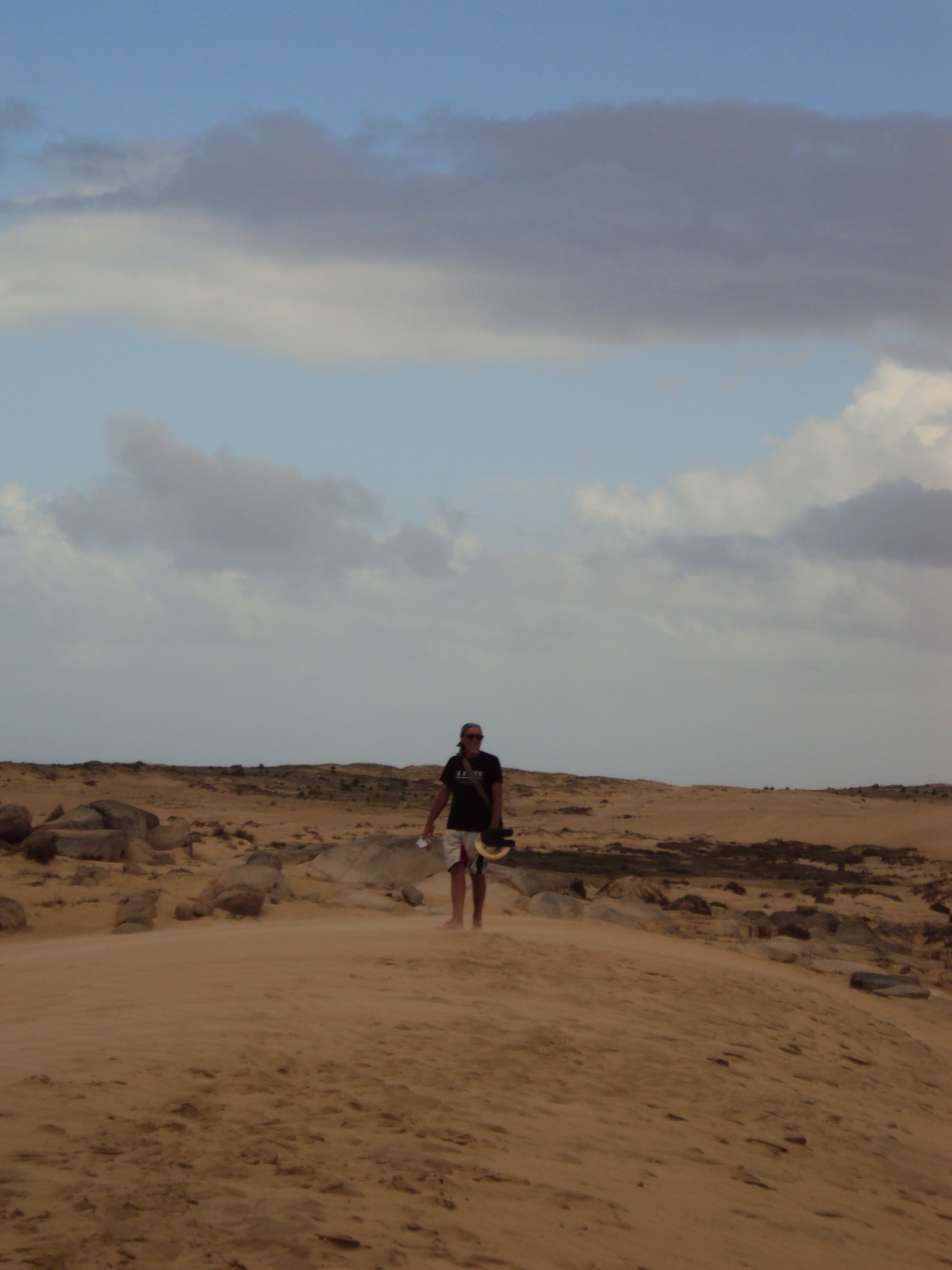
Cerro de la Buena Vista

Cabo Polonio’s highest peak offers surreal 360-degree views of shifting dunes and the Atlantic. Catch the sunset over wild seal colonies and desert landscapes. Price: Free. Pro tip: Bring a board for epic dune sandboarding down the slopes. Check availability and explore popular experiences.
Cerro de la Buena Vista

Credit: Wikimedia Commons

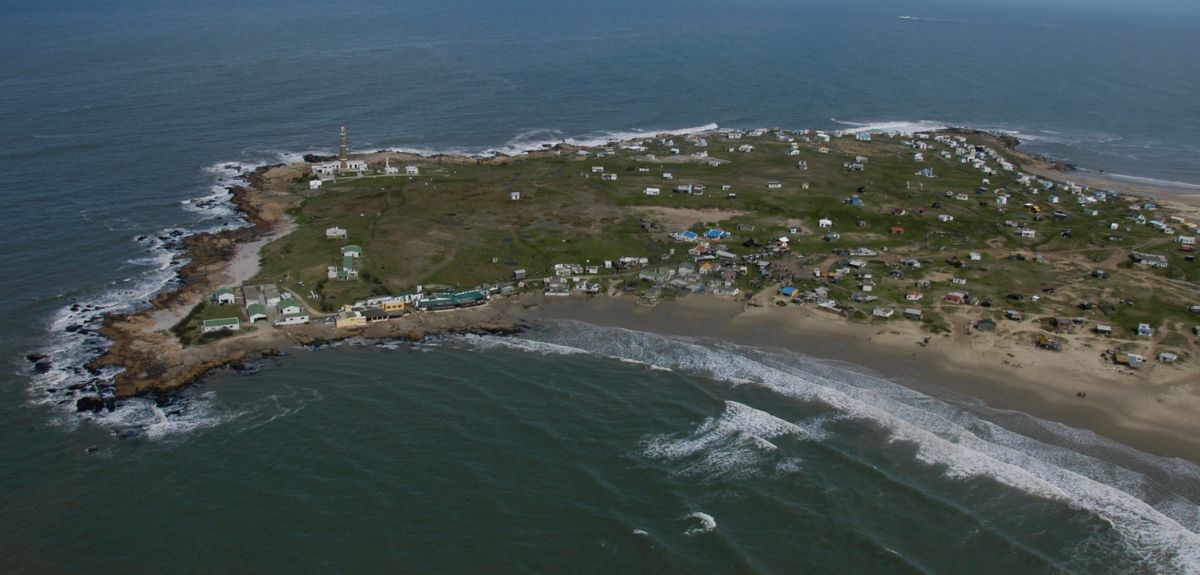
Cabo Polonio Village

A cluster of rustic, colorful shacks where time stands still. Wander sandy paths, browse hippie crafts, and enjoy candlelit nights in this off-grid hamlet. Price: Free. Pro tip: Bring plenty of cash; there are no ATMs here. Check availability and explore popular experiences.

Cabo Polonio Village
Credit: Wikimedia Commons / Pablofor

Arroyo Valizas

A winding, 10km stream connecting lagoons to the Atlantic. Highlights: boat trips, birdwatching, and dramatic dunes. Price: Free (boats extra). Pro tip: Take the boat from Valizas for a scenic, slow-motion journey into the heart of Rocha. Check availability and explore popular experiences.

Arroyo Valizas
Credit: Wikimedia Commons

Laguna de Castillos

A serene bird-watching sanctuary. Explore the world’s largest ombú forest and spot flamingos or black-necked swans across 8,000 hectares of wild wetlands. Price: Free. Pro tip: Take a boat from Arroyo Valizas for the ultimate scenic entry. Check availability and explore popular experiences.

Laguna de Castillos
Credit: Wikimedia Commons

What Part of Cabo Polonio is Best for Tourists?

Stay in the Village Center. Everything will be within a 10-minute walk. If you want something a bit more local but still close, the Playa Sur area is lovely—it offers a quieter, off-grid retreat with rustic cabins and stunning sunset views away from the main hub.

What to Know Before Going to Cabo Polonio

  • Stick to Bottled: Tap water is non-existent; residents rely on well or rainwater, making bottled water essential for visitors.
  • Basic English Only: Spanish is primary; while hostel staff may speak some English, local proficiency is generally limited.
  • No Tourist Pass: Cabo Polonio has no specific city card; instead, expect to pay for the mandatory 4×4 truck transport.
  • Limited Shop Hours: This off-grid village has few shops; services are extremely limited and may vary by season.
  • Standard Tipping: Tipping is customary; leave about 10% in restaurants and cafes for good service.

How Many Days Do I Need in Cabo Polonio?

2 to 3 days is ideal to experience the off-grid charm, witness the stars, and fully explore the rugged coastline and dunes.

  • Day 1: Cabo Polonio Lighthouse, Sea Lion Colony, Playa La Calavera, Cabo Polonio Village, Museo Espacio Sensorial.
  • Day 2: Sand Dunes of Cabo Polonio, Cabo Polonio National Park, Playa Sur, Plaza Central, Local Craft Boutiques.
  • Day 3: Take a scenic coastal hike to the nearby village of Barra de Valizas and Cerro de la Buena Vista.

Suggested daily budget – 65-95 EUR / 70-100 USD (Note: This covers mid-range private rooms or upgraded hostel stays, dining at local ranchos, and the mandatory 4×4 truck transport. You can go cheaper if you stay in shared dorms during the low season and prepare your own meals).

MONEY SAVING TIPS

  1. Savor the Chivito: Skip the formal sit-down dinners and grab a classic chivito (steak sandwich) with fries for about $7.50 at local spots like Restaurante Mariemar, or look for seaweed fritters, a regional specialty often sold at budget-friendly prices.
  2. Sea Lion Sightseeing: Skip paid excursions and head to the rocks behind the Cabo Polonio Lighthouse to see one of the world’s largest sea lion colonies for free; most of the village’s best experiences like hiking the shifting dunes or visiting the village center are also entirely free of charge.
  3. Master the 4×4 Schedule: Avoid expensive private transfers by using the official 4×4 trucks from the Portal del Cabo visitor center for ~450 UYU return; if you’re feeling fit and traveling light, you can walk the 7km sandy trail from the highway entrance for free.
  4. Stargazing Over Bar Hopping: Avoid the markups at the few bars by grabbing a local beer or a bottle of grappamiel from one of the two year-round grocery stores and heading to the beach or your hostel’s patio for world-class stargazing under zero light pollution.

What’s the Best Month to Visit Cabo Polonio?

November and March are the sweet spots for visiting Cabo Polonio. These months offer pleasant temperatures for exploring shifting dunes and sea lion colonies while avoiding peak January crowds and higher prices. However, December is a magical alternative, as the village buzzes with anticipation for the high season and offers incredible, star-filled summer nights.

How to Get to Cabo Polonio

Most international travelers fly into Carrasco International Airport (MVD). Key direct connections include Madrid, Panama City, and major South American hubs like São Paulo and Santiago.

  • From the airport: The journey to Montevideo city center takes approximately 45 minutes. A taxi or private transfer costs about $30–$50, while public buses are significantly cheaper at around $2.
  • Regional: From Montevideo, take a 4.5-hour bus to the Cabo Polonio entrance. Final access to the village is only via authorized 4×4 trucks or a 7km hike through sand dunes.

How to Get Around Cabo Polonio

Go on foot and use the 4×4 shuttles – it is the only way to navigate this off-grid village.

  • Car Rental: Not recommended. Private vehicles are strictly prohibited inside the national park; use DiscoverCars to reach the park entrance only.
  • Walking: Essential and pleasant; the village has no roads, only sandy paths connecting beaches and landmarks.
  • Uber/Bolt: Not available in this remote area.
  • Tours: Great for organized day trips from nearby hubs like Punta del Este, including the required 4×4 desert transit.

Tips for first-timers: Avoid driving your own vehicle into the village—Massive sand dunes and lack of roads make it impossible for standard cars. Take the authorized 4×4 monster trucks from the entrance terminal for a bumpy, scenic arrival!

Cabo Polonio is the kind of place that lingers in your memory. It is a raw, windswept sanctuary where shifting golden dunes and the untamed Atlantic create a rhythmic, off-grid harmony. This rustic hamlet, defined by its candlelit nights and wild sea lion colonies, invites you to disconnect from the world and leaves you with a renewed sense of wonder.

Note: This article contains affiliate links. If you purchase something I’ve recommended, I’ll earn a small commission at no extra cost to you. I really appreciate your support and I hope this guide helps you ♡

post a comment