








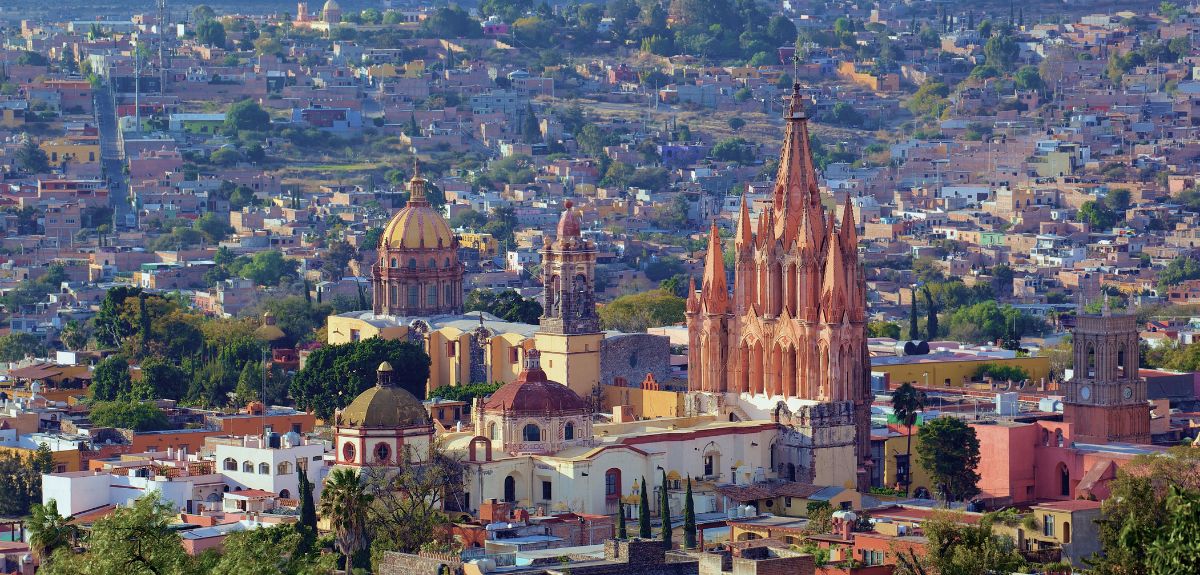
San Miguel de Allende looks the way a colonial Mexican town is supposed to look, which is exactly why it draws artists, retirees, and travelers in equal numbers. Pink stone church spires rise over cobblestone streets lined with centuries-old facades
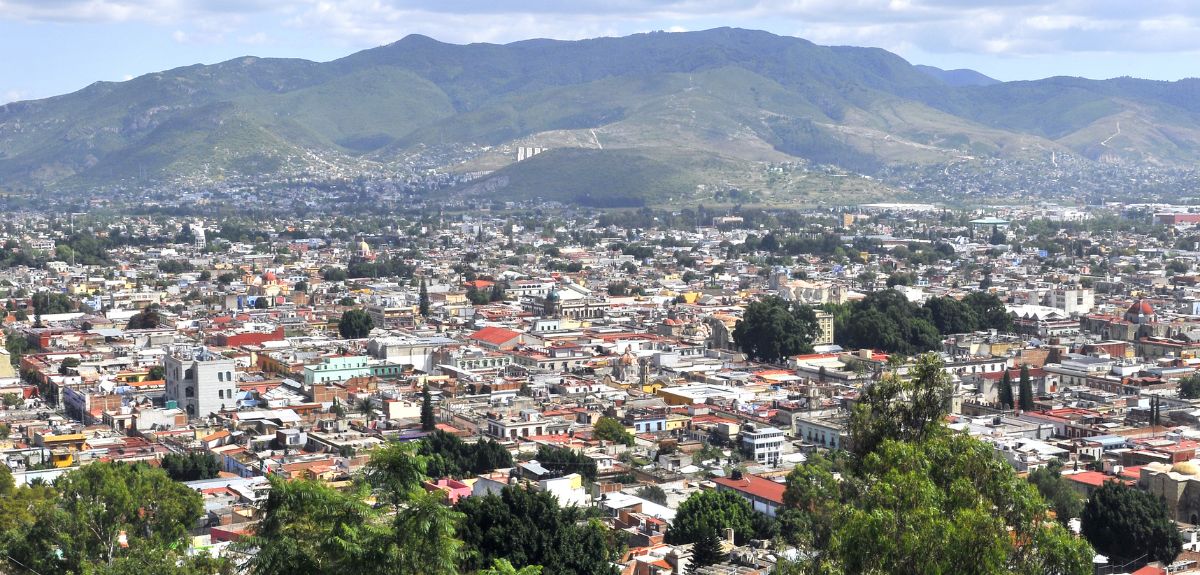
Oaxaca is where Mexico's culinary and artistic reputation comes from firsthand experience rather than secondhand praise. Zapotec ruins sit on hilltops above a colonial city built from green volcanic stone, mezcal is distilled in the surrounding valleys the same way
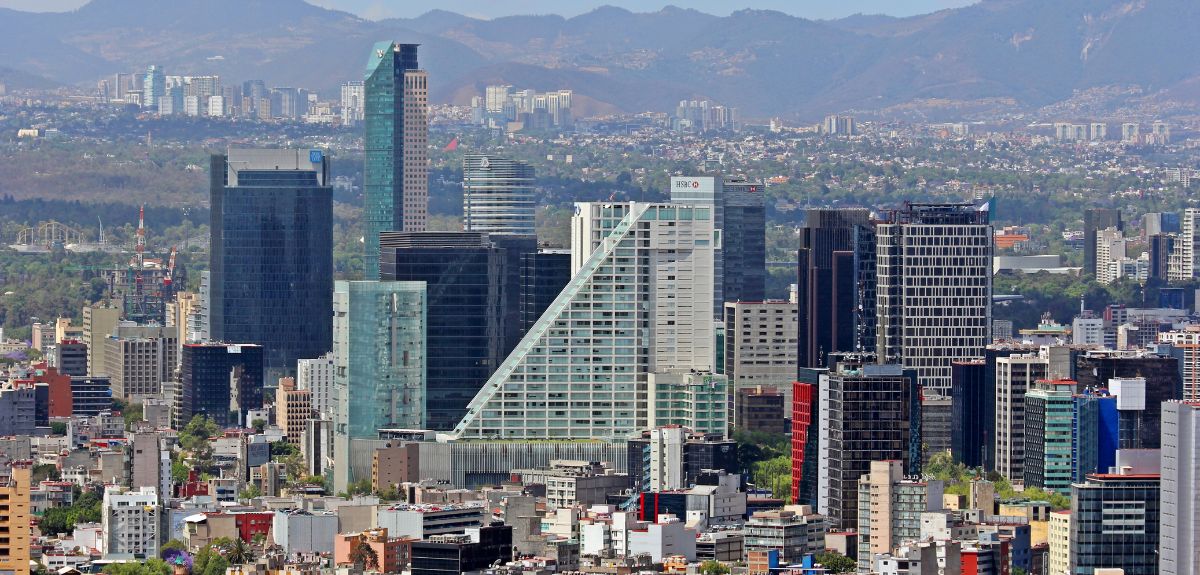
Mexico City sits on the drained bed of an Aztec lake, and that history is never far from the surface. Colonial cathedrals stand on top of Aztec temple foundations, canals from a vanished lake system still carry boats through the
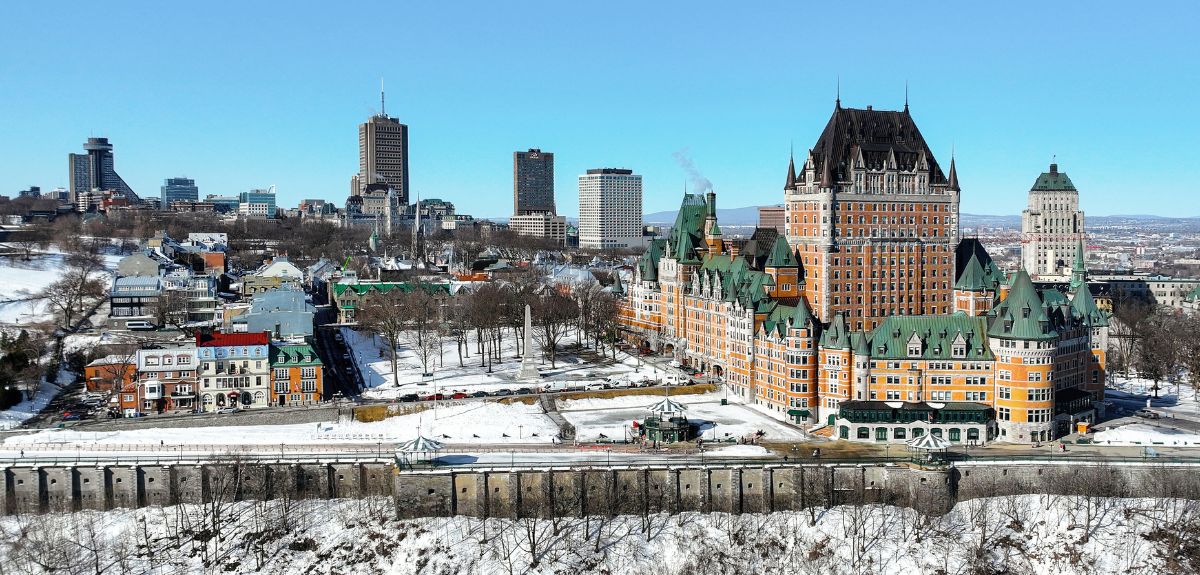
Quebec City is the only walled city north of Mexico and the historic heart of French North America. Founded by Samuel de Champlain in 1608, its UNESCO-listed Old Quebec district still feels like a European capital dropped onto a cliff
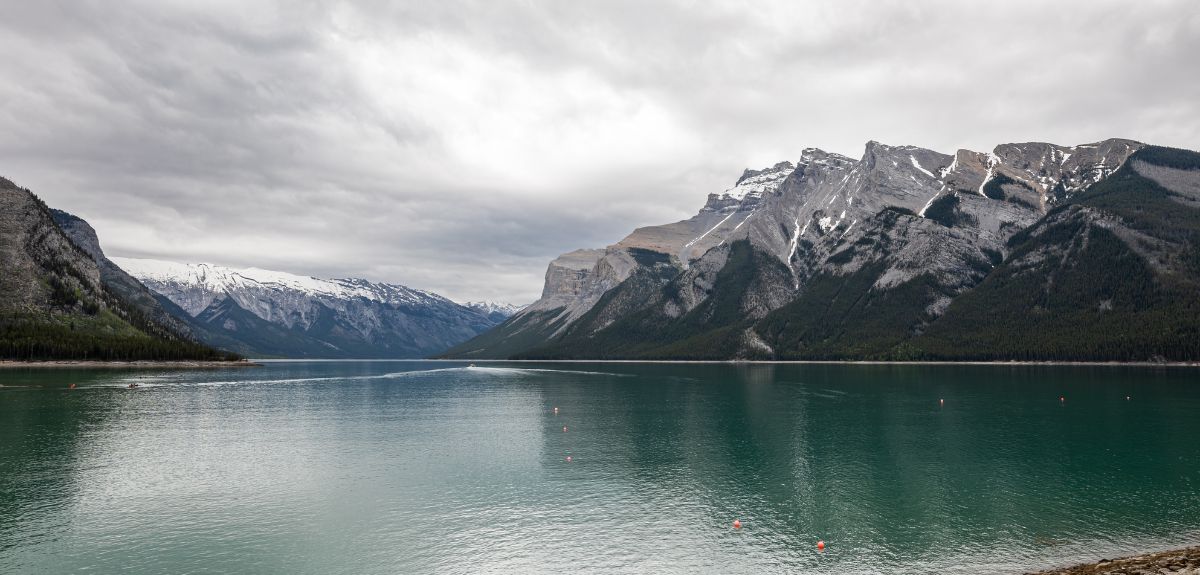
Banff is where the Canadian Rockies do their best work. Glacier-fed lakes turn an impossible turquoise, jagged peaks rise straight up from valley floors, and the small mountain town at the center of it all still feels more outpost than
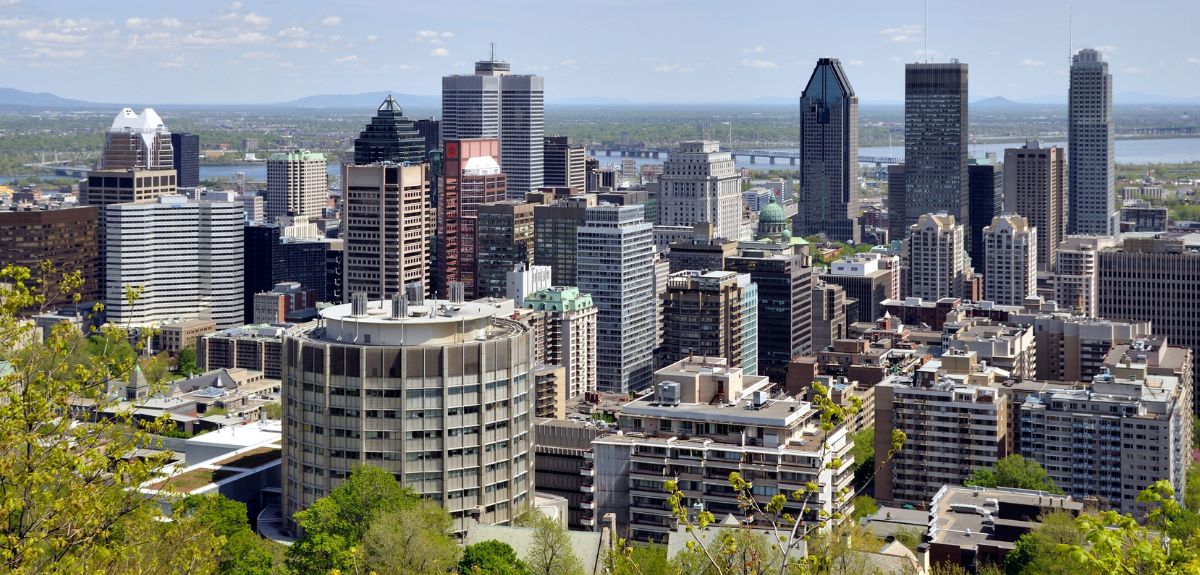
Montreal doesn't feel quite like the rest of Canada, and that's the point. French is the first language on the street signs and in most conversations, the architecture leans toward stone row houses and wrought-iron staircases, and the food scene
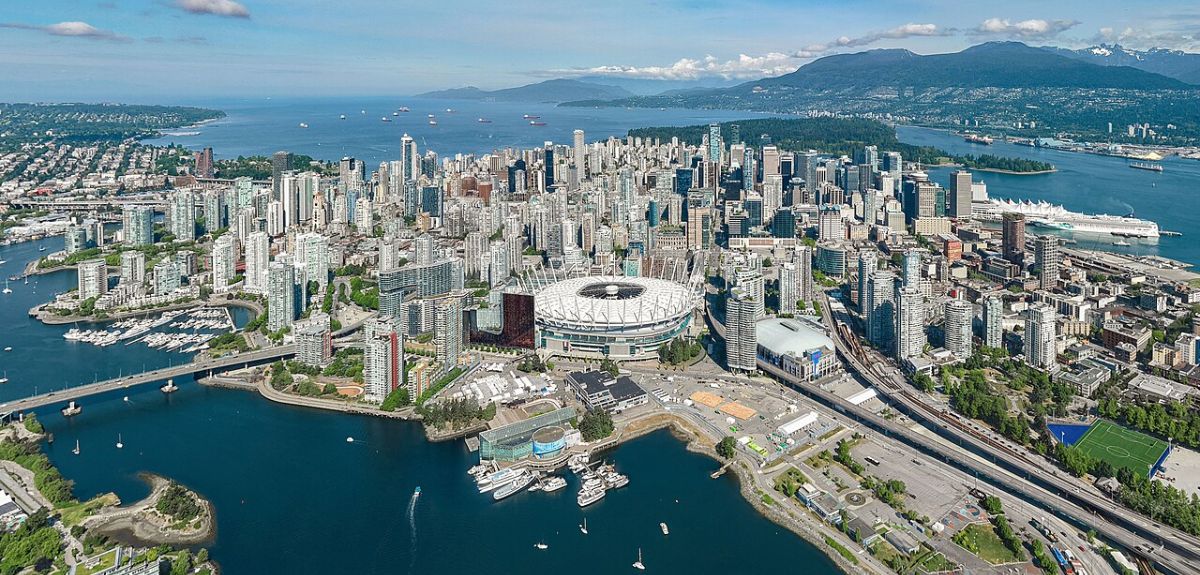
Vancouver is the rare city where you can kayak in the morning, walk through old-growth rainforest by early afternoon, and be back downtown for dinner with a mountain view. Wedged between the Pacific coastline and the Coast Mountains, this is
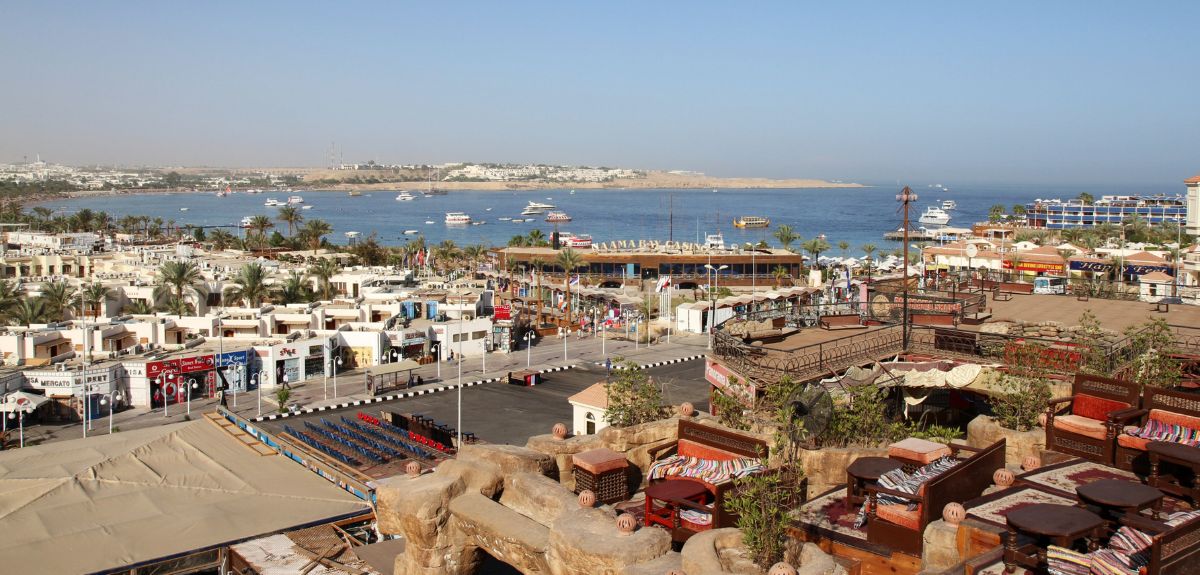
Sharm El-Sheikh sits where the Sinai Peninsula's red mountains meet some of the clearest water in the world. This is Egypt without the pyramids, built instead around coral reefs that drop straight off the shoreline, dive sites ranked among the